
Last Updates: 02-September-2026
Dwelling coverage is a crucial part of a homeowners insurance policy because it helps protect your house when serious events cause damage to the home structure. If your house burns to the ground, a fallen tree crushes the roof or another covered event causes structural damage, roof damage or tree damage, dwelling insurance may help pay for repair, repair costs or rebuild expenses.
Understanding how homeowners insurance, insurance policy and insurance coverage work can help you know what covered damage may qualify for a claim payout and how much protection you have against unexpected rebuilding costs.
About the Researcher
Insurenestly is an insurance information website focused on researching and simplifying complex insurance topics. Our content explains policies, coverage options, costs, exclusions, and important insurance terms in clear and simple language. We aim to provide practical, research-based information that helps readers better understand their insurance and make informed decisions.
What Does Dwelling Coverage Protect in Your Home?
Dwelling coverage is the part of a homeowners policy that helps pay to repair damage or rebuild the main structure of your home after a covered loss. Often called Coverage A, this type of dwelling insurance focuses on the physical different parts that make up the house, including the roof, foundation, floors, doors, windows and walls, as well as attached structures such as garages, porches and decks.
It may also cover permanently installed built in appliances, while personal belongings are generally handled under separate personal property coverage. If the house is badly destroyed, dwelling coverage can help with the cost to rebuild, subject to the limits, exclusions and covered elements listed in your policy.
In my experience reviewing insurance policies, homeowners often confuse this protection with coverage for everything they own, but unattached structures and belongings can follow different coverage rules, so checking how each part is insured can prevent surprises after serious damage.
A Quick Fact About Dwelling Coverage
A useful fact about dwelling coverage is that the amount and limits in your homeowners policy can also affect other structures coverage. For example, if your dwelling coverage limit is $350,000, your policy may provide 10% for detached structures, giving you up to $35,000 of coverage for a shed, fence or other separate structures on the property. The exact dwelling and other structures protection can vary by insurer and policy, so always check your specific limits before assuming how much protection you have.
Dwelling Coverage for Condo Owners
For condo residents, dwelling coverage works differently because you usually own your unit, not the building itself or its entire building structure. Your condo insurance policy, often called HO 6 insurance, works alongside the condo association’s master insurance policy, which generally covers the structure of the building, such as the roof and outer walls.
The key question is what the association’s policy covers and what you need to cover inside your unit. With an All in or Single entity approach, the association may cover built in fixtures, cabinets, flooring and some upgrades or improvements, while a Bare walls approach may leave more of the Interior Falls Under Your Personal Property Coverage. Your coverage type can therefore determine whether you need to insure changes, upgraded fixtures, appliances, carpets, wallpaper, bare ceilings, walls or floors yourself.
In practice, I recommend checking the association documents before choosing dwelling insurance, because association covers can differ and some condo policies provide little or no dwelling coverage when only original built in fixtures are included and there are no improvements; detached structures may also follow separate rules under the association or your insurance policy.
Do You Need Dwelling Coverage?
Dwelling coverage is not usually legally required, but if you have a mortgage, your mortgage lender may require you to carry a homeowners policy with enough protection for the house. This protects the lender’s financial investment as well as your own financial investment when you are making a mortgage payment on a property worth hundreds of thousands of dollars. If your home burned down, having insurance money available to rebuild can prevent a major financial setback.
This protection is sometimes called hazard insurance, but it is not the same thing as flood insurance, which may be needed separately if you live in a high risk zone. Even if your home is mortgage free, going without dwelling coverage can leave you responsible for the full cost of repairs or rebuilding, so unless you can comfortably afford to rebuild your home after a catastrophe, maintaining adequate insurance coverage is a wise way to protect your finances and provide property protection.
What Does Dwelling Insurance Protect?
Dwelling insurance protects the main structure of your home against certain potentially damaging events, known as perils, depending on what your homeowners policies cover and what is specifically excluded. Some policies use named perils coverage, meaning the scenarios are specifically listed in the policy, while others offer open perils or all risks coverage, which generally provides broader coverage unless a loss is excluded.
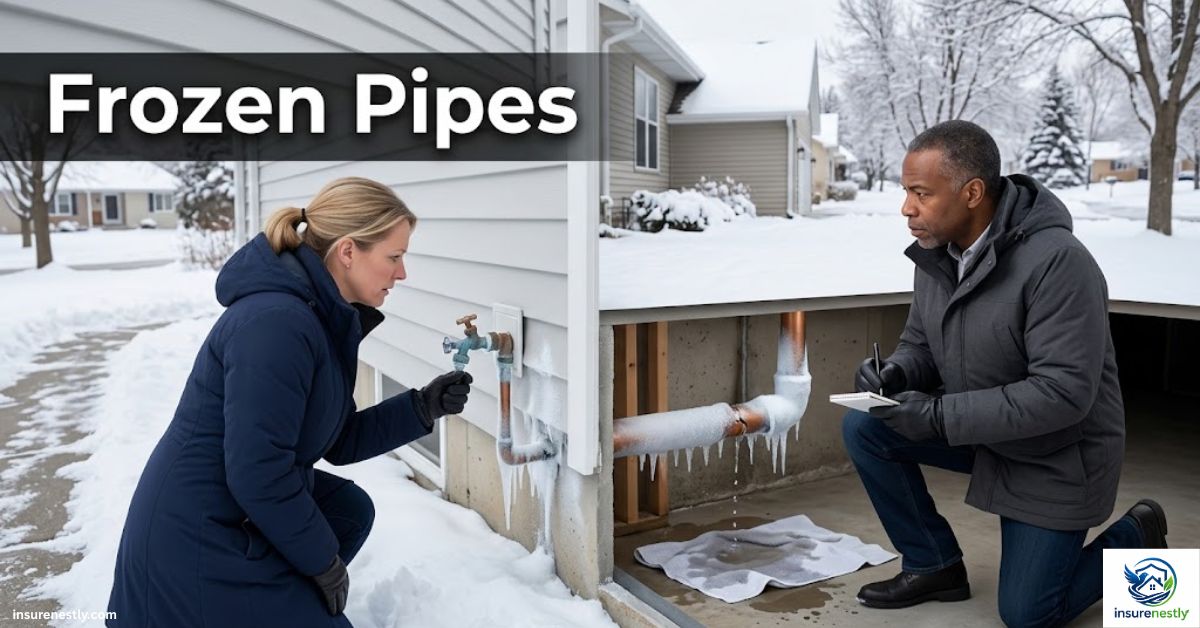
Common covered events may include Fire, lightning, smoke, Wind, hail, Vandalism, Freezing, the weight of ice or snow, Volcanic eruption, Explosions and Riots. However, your homeowners policy may exclude certain types of disaster and condo policies can follow different rules. If you want broader protection than your current named perils coverage provides, ask your agent whether an open perils endorsement or another endorsement is available for your policy.
What Does Dwelling Insurance Not Protect?
Even the best homeowners policy or condo policy does not cover every type of loss, so certain disasters may fall outside your standard coverage. Your homeowners insurance or condo insurance may exclude specific events and the exact exclusions depend on your insurance policy and available coverage options.
If a loss involves one of these excluded disasters, you may need extra coverage or additional coverage to pay for repairs. For example, some homeowners may buy extra coverage for risks that are not included in their standard policy, helping close gaps between covered disasters and excluded disasters.
Flood Damage

A standard dwelling coverage policy generally does not cover flood related water damage, even when a Hurricane brings heavy rain or a nearby river overruns its banks and causes water to enter your home. This means the resulting water damage may not be covered by homeowners insurance or dwelling insurance, so homeowners who face a higher flood risk should consider separate flood insurance for stronger flood protection.
Flood insurance may be available through the federal government or a private company, depending on your location and insurer and checking your insurance policy before flooding occurs can help you understand whether you have enough insurance coverage for your home.
Earthquake and Landslide Damage
Most home policies and condo policies exclude earth movement damage caused by earthquakes, landslides and sometimes sinkholes, meaning standard dwelling coverage may not pay to repair this type of damage to your home or condo. Because these disasters can create major repair costs, an insurer may offer optional coverage, such as earthquake coverage, landslide coverage or sinkhole coverage, depending on the location and insurance policy.
If you want broader damage coverage, ask about optional insurance or disaster coverage before a loss occurs, since you may need to buy coverage specifically for earth movement damage rather than relying on standard dwelling coverage.
Water Backup Damage
Standard home insurance may not cover water damage caused by a failed sump pump, backed up drain or drain backup, so a homeowner may need water backup coverage as an endorsement or add on coverage to the policy. This optional coverage can help pay for certain damage when water enters your home because the sump pump stops working or a drain backs up, but the exact protection varies Based on Your Insurance Policy and Your Insurer’s Terms.
A Home Insurance Fact to Know
An endorsement is an add on to your policy that can provide additional coverage, but insurance companies can use different insurance terms and policy terms for the same type of protection. An endorsement may change your insurance policy by adding, removing or modifying coverage, so it is important to check whether it will limit coverage and understand any coverage limitations before you add it.
Wear and Tear Costs
Dwelling coverage is designed for sudden property damage rather than routine maintenance or normal aging, so it generally will not pay for maintenance problems caused by an aging roof or an old home structure.
For example, if your roof starts leaking simply because it is 20 years old, the cost may not be covered, just as gradual foundation damage may be excluded when the foundation cracks because the home naturally settles over time. Sudden accidents may receive different treatment depending on the cause and your insurance coverage, but normal wear and tear is usually the homeowner’s responsibility.
Pest and Infestation Damage
Dwelling insurance generally does not cover pest damage caused by Termites, rodents or other pests, because insurers often treat infestations as a maintenance issue rather than unexpected property damage. If pests damage the structure of your home, homeowners usually have to pay for themselves to remove the infestation and repair the affected home structure, as standard homeowners insurance and dwelling coverage typically do not provide insurance coverage for gradual damage caused by poor maintenance.
Vacant Home Risks
A standard home insurance policies may have restrictions when homes are left empty for an extended time between homes, especially if you are waiting to sell a house. An empty house, vacant house or unoccupied house can face higher risks such as vandalism and your insurance coverage or policy coverage may change if the property is vacant longer than 30 days or vacant longer than 60 days.
Some insurers may limit claims or deny certain types of claims when vacancy rules are not followed, so homeowners should check their insurance policy and ask about unoccupied home insurance or vacant home insurance if needed. This is important for dwelling coverage because leaving a property vacant can affect how your homeowners insurance responds to damage.
How Much Dwelling Coverage Does Your Home Need?
Your dwelling coverage limit should be based on what it would cost to rebuild your home if it were completely destroyed, not the house price or the price paid for the property. The right amount depends on home features, building costs, local building costs and the area where you live. As a rough estimate, you can multiply your home’s square footage by the average local building cost per square foot, but local builders, insurance agents or a home replacement cost calculator can provide a better starting point.
Your insurance company may consider home details and use calculating replacement cost methods to produce a more accurate estimate based on the specifics of your home, including high end fixtures, hardwood floors, carpets and laminate countertops. A home insurance inspection can also give the insurer a firsthand look at the features of your house and help estimate rebuilding costs, which can change over time as construction costs rise because of high demand, a hurricane, another natural disaster, inflation or skyrocketing building costs.
If your dwelling coverage is too low, you could become underinsured and face a gap between your insurance coverage, coverage limit and actual replacement costs. Also, do not assume a claim automatically means $0 out of pocket cost or that repairs must be completed within 30 days or 60 days; these details depend on your policy, so speak with an insurance agent about your replacement cost and coverage terms.
The Risks of Too Little Dwelling Coverage
| Coverage situation | Replacement cost | Coverage amount | Example claim | Final payout* |
| Fully insured house | $500,000 | $500,000 | $60,000 | $60,000 minus deductible |
| 80% threshold | $500,000 | $400,000 | $60,000 | Up to $60,000 minus deductible |
| Insured to 75% of minimum | $500,000 | $300,000 | $60,000 | Subject to policy/coinsurance rules |
| 75% coverage example | $500,000 | $375,000 | $60,000 | Subject to policy/coinsurance rules |
| $400,000 dwelling coverage | $475,000 | $400,000 | Full rebuild | Potential $75,000 gap |
Actual claim payout depends on the policy, deductible, covered loss and insurance company rules.
Ways to Avoid Being Underinsured
Extended Replacement Cost Protection
Extended replacement cost coverage is an endorsement that can increase your dwelling limit by a set percentage when rebuilding costs rise above your normal policy limits. For example, if your dwelling coverage is $300,000 and your policy provides 25% extended coverage, you could have up to 125% of the original limit or $375,000, toward the replacement cost to rebuild your house after a covered loss.
This type of replacement cost coverage can provide additional coverage when replacement cost or rebuilding costs increase unexpectedly, giving you an extra layer of insurance coverage beyond your standard limit.
Guaranteed Replacement Cost Protection
Guaranteed replacement cost coverage is a valuable endorsement that may help rebuild your home for whatever it takes, even when rebuilding costs rise above your normal policy limits. Unlike standard dwelling coverage, this coverage option may provide no fixed limit on the amount needed to restore the home, but not all insurers or insurance companies offer this generous coverage.
If available, guaranteed coverage can provide stronger protection against unexpected increases in replacement cost, although the exact terms and conditions depend on your policy.
Inflation Guard
Inflation guard is an endorsement that helps your insurance company automatically adjust coverage limits each year as inflation increases the cost of materials and labor. This inflation protection can help keep your dwelling coverage closer to the replacement cost of your home as rising building costs push up the amount needed to rebuild.
Without this adjustment, your insurance coverage and policy limits may become outdated over time, leaving you with less protection than you expected after a covered loss.
Ordinance or Law Protection
Ordinance or law coverage can be important under homeowners insurance when you need to rebuild your home and must follow latest building codes or other building code requirements.
Standard dwelling coverage may not fully pay for expensive upgrades required by an ordinance or law, so this protection can help cover additional rebuilding costs, repair costs and replacement costs that arise from updated rules.
Because these upgrades can push costs beyond your normal policy limits, adding this coverage can strengthen your overall insurance coverage when rebuilding after a covered loss.
How Much Dwelling Coverage Does a Condo Need?
Condo owners usually need less dwelling insurance than homeowners because the association may insure the roof, outer structure and other parts of the building through its master policy or master insurance policy. Your own dwelling coverage should instead focus on the parts of the unit that the association does not cover, such as hardwood floors, wall to wall carpeting, bathroom fixtures, kitchen cabinets and built in appliances, depending on your condo coverage rules.
Because state to state and communities can have different requirements, there is no single amount that works for every condo; the goal is to choose the right coverage and avoid coverage gaps between the association’s building structure protection and your personal unit coverage, fixtures, flooring and appliances.
A knowledgeable agent or insurance agent can review your association’s policy, master insurance policy and property coverage to determine how much condo insurance, homeowners insurance and overall insurance coverage you actually need.
How Dwelling Coverage Works

Dwelling coverage is part of your insurance contract with an insurance company, where you pay premiums in exchange for protection when a covered event causes home damage. If a loss occurs, you start the claims process by filing a claim and providing documentation, such as photos and video, so an adjuster can review the damage and may complete a home inspection in person before determining the payout.
The amount you receive depends on the insurance policy, covered damage, your deductible and other policy terms. For example, with a $1,000 deductible and $15,000 damage, you may receive a $14,000 payout, meaning you are responsible for paying the first $1,000.
A percentage deductible works differently: with $250,000 dwelling coverage and a 1% deductible, the deductible is $2,500, which would reduce the claim payout for a covered loss by that amount. Understanding your deductible, dollar amount and percentage helps you know your financial responsibility before you need to make a claim.
Roof Coverage and Claim Protection
Your roof is usually part of dwelling coverage, but how your insurance company handles roof damage can depend on the roof age, condition and policy. Some policies provide replacement cost coverage, which may pay toward the full price of a brand new roof after covered damage, while others use actual cash value, which subtracts depreciation based on the current roof, expected lifespan and roof lifespan.
For example, if a roof has a 20 years expected lifespan and is 10 years old, it may be halfway through its useful life, so the depreciated value could result in a smaller payout than the cost of a new roof. If a hurricane causes major damage, the insurer may cover roof replacement or repair according to the policy, but your deductible still applies.
For instance, if a covered roof replacement costs $10,000, the claim payout can differ depending on whether your coverage is based on replacement value or cash value, rather than automatically paying the full amount.
Dwelling Coverage Costs Explained
Dwelling Coverage Costs Explained
The cost of dwelling coverage is influenced by your coverage limits, dwelling coverage amount, location, property details, deductible and the type of insurance policy you choose. According to NerdWallet rate analysis, the average cost of homeowners insurance in the U.S. is about $2,490 per year for $400,000 of dwelling coverage, but costs can vary widely as the average homeowners insurance costs change with different limits.
For comparison, dwelling insurance for a homeowners policy and condo policy can have very different premiums, while the average cost of condo insurance is around $490 per year. In my experience, homeowners should compare both the annual cost and monthly cost rather than choosing a policy based only on its price, because a higher deductible, bundling multiple policies and shopping around with several companies can affect the final policy cost and overall insurance coverage.
| Dwelling coverage limits | Average annual cost | Average monthly cost |
| $200,000 | $1,480 | $123 |
| $300,000 | $1,975 | $165 |
| $400,000 | $2,490 | $208 |
| $500,000 | $3,005 | $250 |
| $600,000 | $3,510 | $293 |
| $700,000 | $3,995 | $333 |
| $800,000 | $4,445 | $370 |
These figures show why higher coverage limits generally lead to higher premiums, but your actual homeowners insurance or condo insurance price can differ by insurer, location, deductible and policy details.
Conclusion
Dwelling coverage is one of the most important parts of a homeowners insurance policy because it helps protect the structure of your home from covered damage. The right coverage amount should be based on the cost to rebuild your home, not simply its market value. Review your policy limits, exclusions, deductible and optional protections regularly, especially as building costs change. Taking time to understand your coverage can help you avoid being underinsured and reduce financial stress when you need to repair or rebuild your home after a covered loss.
Disclaimer
This article is based on insurance research and is provided for general informational and educational purposes only. Insurance coverage, dwelling coverage limits, exclusions, deductibles and policy terms can vary by insurer, state and individual policy. The information presented here should not be considered insurance, legal or financial advice and it does not replace your actual insurance policy or guidance from a licensed insurance professional. Always review your policy documents and confirm coverage details with your insurance company or a qualified insurance agent before making decisions about your home insurance coverage.
Note: Insurance prices, coverage options, and policy terms can change over time and may vary by location and insurer, so always contact a licensed insurance professional for the most current and accurate information.
Follow Our Social Accounts:
Frequently Asked Questions
Does dwelling coverage follow me if I move to a new home?
No. Dwelling coverage is tied to the insured property and its specific insurance policy. When you move, you generally need a new policy for the new home, with coverage based on that property’s rebuilding needs.
Can home improvements affect my dwelling coverage?
Yes. Major improvements such as adding a room, remodeling a kitchen or making structural changes can increase the cost to rebuild your home. It is a good idea to tell your insurance company about significant upgrades so your coverage remains appropriate.
Does dwelling coverage include the land under my house?
No. Dwelling coverage is designed to protect the physical structure of the home, not the value of the land itself. The cost of the land is therefore not normally included when determining the amount needed to rebuild the house.
Can a home inspection change my dwelling coverage amount?
It can. An inspection may identify features, materials, upgrades or structural details that affect the estimated replacement cost of your home. Your insurer may use this information when reviewing your coverage needs.
Should I review my dwelling coverage every year?
Yes. Reviewing your coverage regularly can help you keep up with changes in construction costs, home improvements and other factors that may affect the cost of rebuilding. Checking your limits before renewing your policy can help reduce the risk of having insufficient coverage.

Shumail is an independent insurance researcher and content writer who researches publicly available insurance information and explains coverage, costs, and insurance concepts in simple language. InsureNestly provides educational and informational content only and does not sell insurance or provide insurance advice.