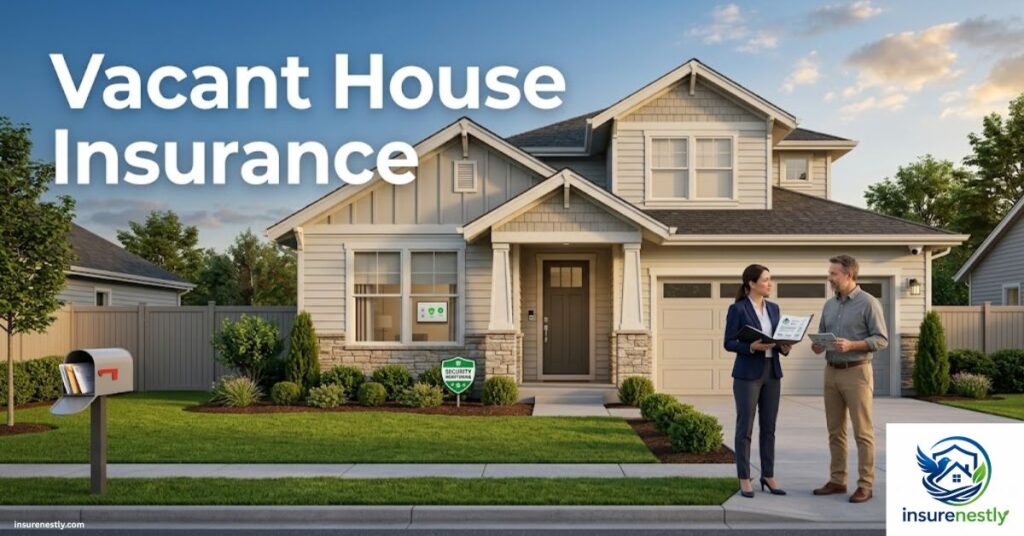
If your house is going to sit empty for more than a month your regular home insurance probably won’t protect it the way you think. Most standard policies include a vacancy clause that cuts or removes coverage once a home has been unoccupied for 30 to 60 days a problem whether you’re selling renovating between tenants or handling an inherited property.
This guide breaks down what you actually need to know before that happens based on how vacancy clauses and vacant home policies work across major US insurers so you can make a decision that fits your situation.
About the Researcher
I’m Shumail founder of Insurenestly. I research car and home insurance topics for a living digging through insurer publications industry data and public consumer resources to break down complex coverage rules into something homeowners can actually use. I’m not a licensed insurance agent my role is research and analysis not selling policies or giving personalized advice.
Why Your Regular Home Insurance May Stop Protecting You
Most homeowners think their policy covers the house no matter what. That’s not true once the home sits empty. Standard homeowners insurance is built around the idea that someone lives there. When a home remains vacant beyond the number of days allowed by the policy, many insurers apply a vacancy clause that reduces or excludes coverage for risks such as theft, vandalism, and water damage. This catches many owners off guard especially those selling a house handling an inherited property or waiting between tenants.
When Standard Coverage Can Change
The exact timeline depends on your insurer but the industry-standard ISO policy form uses a 60-day threshold while some insurers set it at 30 days. Once your home crosses that mark with nobody living in it coverage for several major perils simply stops. This isn’t a gradual reduction it happens as soon as the clock runs out.
Situations that commonly trigger this vacancy clock:
- Selling a house and moving out before it’s sold
- Inheriting a property that sits empty during probate
- A rental home sitting empty between tenants
- Long renovations that force you out for weeks or months
Risks Insurance Companies Worry About
Insurers see empty homes as harder to watch and easier to damage. Nobody is around to catch a small problem before it turns into a big one. That’s the core reason they limit coverage once a house sits vacant.
Common risks insurers flag on vacant homes:
- Vandalism and break-ins since nobody is there to stop them
- Undetected water damage from a burst or leaking pipe
- Slower fire response since no one is home to call for help
- Liability if someone gets hurt on the property
Why Telling Your Insurer Matters
Many coverage problems don’t start with the vacancy itself. They start when the homeowner never tells the insurance company the house is empty. If you know your home will sit vacant for more than 30 days call your insurer before you leave not after something goes wrong. Staying quiet can lead to a denied claim or even a cancelled policy. Telling your insurer also lets them offer real fixes like an endorsement for unoccupied homes or a switch to a vacant home policy.
How Much Does Vacant House Insurance Cost
| Item | Amount |
| National average — standard homeowners insurance (2026) | ~$2 490/year |
| Vacant home insurance vs. standard policy | 25% to 60% more |
| High-risk properties (vacant home surcharge) | Up to 100% more |
| Expected vacant home premium range (based on $2 490 baseline) | ~$3 100 to $5 000+/year |
| Vacancy endorsement duration (extends existing policy) | Often 3 to 12 months |
| Vacancy endorsement vs. standalone vacant home policy | Generally cheaper |
Source: pennypincher.com
When Should You Buy Vacant House Insurance?
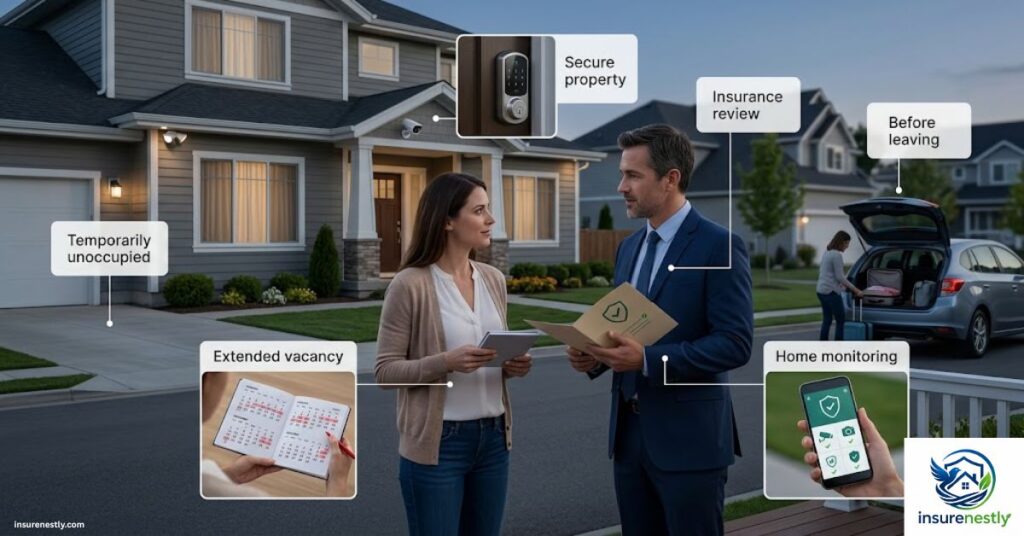
There’s no single moment when every homeowner needs vacant house insurance. It depends on why the home is empty and how long it’ll stay that way. The safest rule is simple: if your house will sit unoccupied past a month start looking into coverage before that window closes not after.
Moving to a New Home
This is one of the most common gaps homeowners fall into. You buy a new house move your things over and your old home sits empty while it’s listed for sale. Your standard policy is still active but it wasn’t built for an empty house. Once that home crosses the 30 to 60 day mark with no one living there coverage for things like theft or water damage can disappear. This happens more often than people expect especially in a slow housing market.
Renovating an Empty Property
A major renovation often forces homeowners out for weeks or months. If the kitchen is torn out the plumbing is shut off or the house isn’t safe to live in your insurer may treat it as vacant not just under construction. This matters because standard policies often don’t expect a home to be gutted and empty at the same time.
Situations that usually call for coverage during renovation work:
- Utilities shut off during the project
- No working kitchen or bathroom for an extended stretch
- Structural work that makes the home unsafe to occupy
- A renovation timeline stretching past 30 days
Selling Renting or Inheriting a House
These three situations show up again and again in vacant home insurance claims and each one carries its own timeline and risk.
- Selling a house: Once you’ve moved out and the home is listed it’s considered vacant even if the sale happens quickly.
- Renting between tenants: A rental sitting empty for 30 days or more usually falls outside a standard landlord policy.
- Inheriting a property: A home tied up in probate can sit empty for months while the family decides what to do with it and during that time the estate not any one person is usually the policyholder.
What Protection Does Vacant House Insurance Offer?
Vacant house insurance is built to cover the structure itself not the life that used to happen inside it. What it protects and how much depends on the insurer and the plan you pick. Most policies center on a core set of risks then let you add more depending on your property.
Damage From Fire Storms and Weather
This is the base layer most vacant home policies are built around. Fire wind hail and lightning don’t wait for someone to be home and a vacant policy is designed to handle that.
Common weather and fire perils covered:
- Fire and smoke damage including electrical fires
- Wind and hailstorm damage
- Lightning strikes
- Explosions
Theft and Vandalism Coverage
Empty homes draw more attention from thieves and vandals since there’s no one around to notice or stop them. Some insurers build this coverage into the base policy. Others treat it as an add-on so it’s worth checking before you assume it’s included.
- Break-ins and stolen property
- Vandalism including graffiti or intentional damage
- Damage from forced entry like broken doors or windows
Extra Protection You May Be Able to Add
Beyond the basics most insurers let you build out the policy with extra coverage based on your property’s needs.
- Liability coverage: Pays out if someone gets hurt on the property like a delivery worker or an agent showing the house
- Water intrusion: Covers damage from burst pipes or sprinkler leaks
- Personal property: Covers tools equipment or a lawn mower kept on site for upkeep
- Other structures: Covers a detached garage shed or fence
Flood and earthquake damage are almost always excluded and need a separate policy.
What Problems Are Usually Left Out of the Policy?
Vacant house insurance covers a lot but not everything. Insurers draw a hard line between sudden damage and problems that build up over time. Knowing this line matters because it’s often the reason claims get denied.
Damage Caused by Poor Maintenance
Insurers expect a certain level of upkeep even when a home sits empty. If damage traces back to something that was ignored not something sudden the claim usually gets denied. A roof that’s been leaking for years corroded plumbing or a window seal that was never fixed all fall into this category.
- Worn-out roofing left unrepaired
- Old or corroded pipes that finally give out
- Poor ventilation left unaddressed for months
Long-Term Water Leaks and Mold
A burst pipe is usually covered. A slow drip that’s been running for weeks is a different story. Insurers separate “sudden and accidental” water damage from gradual seepage and vacant homes are especially exposed here since nobody’s around to catch a small leak before it turns into a mold problem.
Other Common Exclusions to Know
A few exclusions show up across almost every vacant home policy regardless of insurer.
- Flood damage: Needs a separate flood policy through the NFIP or a private insurer
- Earthquake damage: Requires its own endorsement or standalone policy
- Intentional damage: Any loss caused on purpose is never covered
- Sewer backup: Usually needs a separate water backup endorsement
What Affects the Cost of Vacant House Insurance?
Vacant house insurance typically costs 25% to 60% more than a standard homeowners policy and in high-risk cases up to double because insurers price in the greater likelihood of vandalism and undetected damage. Insurers look at several details before setting your rate and a few of them are things you can actually control.
Location and Property Value
Where the house sits plays a big role in what you’ll pay. A home in a high-crime area or a region prone to wildfires hurricanes or storms will usually cost more to insure. The value of the property matters too since a bigger or more expensive home costs more to rebuild if something goes wrong.
- High-crime neighborhoods raise premiums
- Wildfire hurricane or storm-prone regions raise premiums
- Higher rebuild or replacement cost raises premiums
How Long the Home Will Stay Empty
Insurers price short vacancies differently from long ones. A home sitting empty for three months is a smaller risk than one empty for a year and your premium usually reflects that. If you already know roughly how long the house will stay vacant sharing that with your insurer can help you get a more accurate quote instead of overpaying for coverage you don’t need.
Security Features That May Lower Your Premium
This is one of the few areas where homeowners have real control over the price. Insurers reward properties that are actively protected since it lowers the odds of a serious claim.
- Monitored alarm systems
- Security cameras
- Motion-activated lighting
- Smart water leak sensors
- Regular property inspections sometimes with a documented visit log
Simple Ways to Keep Your Empty Home Safe
Insurance is important but it shouldn’t be your only line of defense. Following a few simple habits can reduce your risk, limit potential damage, and may even help you qualify for lower insurance rates.
Visit the Property Regularly
Nothing replaces a real set of eyes on the house. Regular visits catch small problems like a slow leak or a loose shingle before they turn into major damage. Some insurers even require a documented visit log to keep coverage active.
- Check plumbing roofing and windows for early signs of damage
- Clear mail and packages so the home doesn’t look empty
- Ask a neighbor or hire a property manager if you live far away
Keep Utilities and Maintenance Up to Date
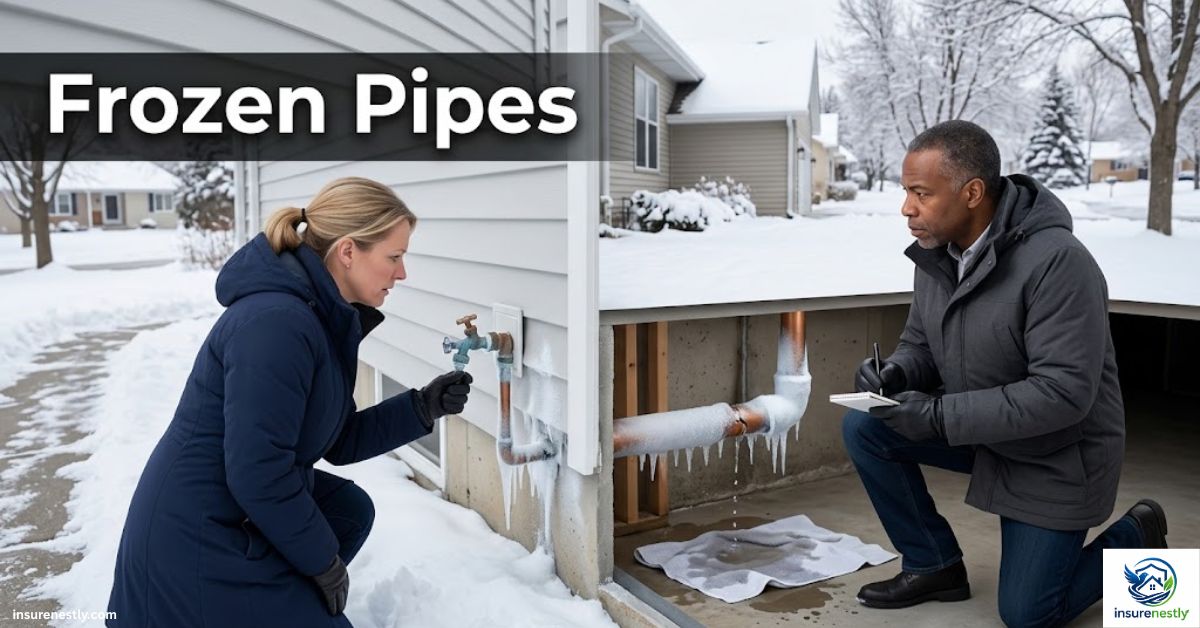
Shutting everything off isn’t always the safest move. Frozen pipes are one of the most common and expensive problems in an empty home so keeping some heat running in cold weather matters more than people expect.
- Keep the thermostat around 50-55°F in winter
- Have the plumbing drained or professionally winterized if the home will stay empty for months
- Schedule a heating system inspection before cold weather hits
- Keep gutters clear to prevent water damage
Improve Home Security
A house that looks lived-in is a much smaller target. Small upgrades can make a real difference in keeping unwanted visitors away.
- Install a monitored alarm system
- Add motion-sensor lighting around entry points
- Use timers on interior lights to simulate activity
- Reinforce locks on doors and windows including basement access
How to Choose the Right Policy Without Overpaying

Not every vacant home policy is built the same and the cheapest option isn’t always the best one. A little comparison work upfront can save you from a denied claim later.
Which Insurers Offer Vacant Home Coverage
Not every big insurance company sells vacant home policies. Foremost which is part of Farmers Insurance Group focuses on vacant seasonal and hard-to-insure homes. If you’re a landlord Foremost lets you switch your policy between “rental” and “vacant” status without cancelling it and starting over. American Modern owned by Munich Re is another company built just for vacant seasonal and manufactured homes. American Family Insurance also insures vacant homes and you can choose a policy that lasts three six or twelve months.
Sources: foremost.com
Compare Coverage Before Price
It’s tempting to pick the lowest quote but price alone doesn’t tell you much. Two policies at the same monthly cost can cover very different things. Look at what perils are actually included before comparing numbers.
- Check if theft and vandalism are included or sold separately
- Confirm whether liability coverage comes standard
- Compare policies at the same dwelling limit and deductible for a fair comparison
Read the Policy Conditions Carefully
Vacant home policies often come with conditions attached not just a list of what’s covered. Some insurers require the property to be checked every 7 to 14 days to keep coverage active. Missing this kind of requirement can mean a denied claim even if the loss itself would normally be covered. Read the fine print before signing not after something goes wrong.
Understand Limits Deductibles and Waiting Periods
A lower deductible means a smaller bill if you file a claim but it usually raises your monthly premium. A higher deductible does the opposite. Most homeowners land somewhere between $1 000 and $2 000 balancing monthly cost against what they could actually afford to pay out of pocket.
- Higher deductible: lower premium more risk if you file a claim
- Lower deductible: higher premium less out-of-pocket risk
- Some policies include a waiting period before coverage kicks in so ask before you buy
Common Mistakes That Can Lead to Claim Problems
Most denied claims on vacant homes don’t come from bad luck. They come from a handful of avoidable mistakes homeowners make before anything even goes wrong.
Not Reporting That the Home Is Empty
This is the single biggest reason claims get denied. If your insurer doesn’t know the home is vacant and finds out during a claim they can deny it outright even if the damage itself would normally be covered. Call your agent as soon as you know the home will sit empty past a month.
Assuming Every Policy Covers the Same Risks
Homeowners often assume a vacant home policy works like their old homeowners policy just for an empty house. That’s not true. Coverage for theft vandalism and liability can vary a lot between insurers and some require separate endorsements for things a standard policy would have included automatically.
- Some insurers exclude theft unless you add a specific endorsement
- Liability coverage is sometimes optional not automatic
- Flood and earthquake damage is usually not covered under standard policies.
Waiting Too Long to Buy Coverage
Many homeowners wait until the 30 or 60 day mark is already close or worse already passed. By then you’re not just uninsured you may also be paying for coverage you can no longer use. The safest move is to line up vacant home coverage before the vacancy even starts not after the clock has already run out.
Conclusion
Standard home insurance is built for a house someone lives in once it sits empty past 30 to 60 days coverage for theft vandalism water damage and often fire or storms quietly drops away under the vacancy clause. Vacant house insurance fills that gap whether the home is empty for a sale a renovation a rental gap or an inherited property.
The right policy depends on your situation how long the home stays vacant its location and its risks so match coverage to your case instead of picking the cheapest option. Before buying read the vacancy rules and exclusions carefully so you know what counts as “vacant ” what’s excluded even in a vacant policy and what could get a claim denied.
Disclaimer
This article is for general information only and shouldn’t be treated as insurance legal or financial advice. I’m not a licensed insurance agent broker or advisor this content is the result of independent research into how vacancy clauses and vacant house insurance typically work across major US insurers drawn from insurer publications industry sources and public consumer guides.Insurance policies vary by state provider and individual circumstances.
FAQs
What is vacant house insurance?
Vacant house insurance is a specialized policy designed to protect homes that are unoccupied whether due to selling renovation an inherited property or a gap between tenants. It differs from standard homeowners insurance because it specifically covers the risks unique to empty properties like theft vandalism and undetected damage.
When is a house considered “vacant” by insurers?
Most insurers consider a home vacant once it has been unoccupied for 30 to 60 days. The industry-standard ISO policy form uses a 60-day threshold while many insurers apply a stricter 30-day rule.
Does my regular homeowners insurance cover a vacant house?
In most cases no. Standard policies include a “vacancy clause” that automatically reduces or eliminates coverage for things like theft vandalism and water damage once the home crosses the 30-60 day unoccupied mark.
What happens if I don’t tell my insurer that my house is vacant?
This is one of the most common reasons claims get denied. If the insurer later discovers the home was vacant and wasn’t informed they can deny the claim outright or even cancel the policy entirely.
How much does vacant house insurance cost?
It typically costs 25% to 60% more than a standard homeowners policy and for high-risk properties it can run up to 100% more. Based on a national average of around $2 490/year for standard coverage vacant home insurance can range from $3 100 to $5 000+ per year.

Shumail is an independent insurance researcher and content writer who researches publicly available insurance information and explains coverage, costs, and insurance concepts in simple language. InsureNestly provides educational and informational content only and does not sell insurance or provide insurance advice.