
Last Updates: 10-September-2026
When emergency home repairs need immediate attention, homeowners often have to deal with both urgent repairs and unexpected financial pressure. A broken furnace or leaky roof can quickly drain savings and cash on hand, leaving you wondering how to cover costs without creating long term financial dings.
In this guide, I’ll explain eight ways to handle emergency home repair expenses, including insurance claims, grants, home repair loans and other different types of financing. You may need to borrow money if savings are not enough, but it is a good time to compare loans, interest and repayment terms before choosing how to pay.
As NerdWallet and mortgage expert Holden Lewis have noted in discussions about financial emergencies, understanding what you qualify for and how much you can comfortably pay back can help you Avoid taking on more debt than you can comfortably afford. The goal is to get necessary repairs handled quickly while making sure the cash, insurance, claims and grants you use leave you with a realistic plan to have the money repaid.
1. Use a Home Equity Line of Credit (HELOC)
A home equity line of credit can be an ideal option when emergency repairs come up and you need flexible financing without waiting weeks for other financing options. With an open line of credit, you can tap into available HELOC funds as needed to cover repair costs and your borrowing limit is usually based on your home value and available home equity after an appraisal.
If you already have an existing HELOC, you may be able to use those funds instead of opening a new line of credit, giving you more flexibility when varying costs make it hard to know exactly how much you will need. In 2026, interest rates and costs should be compared carefully with other ways of borrowing, especially if lower rates are available elsewhere.
The main risk is that you are borrowing against home equity, so your home could be at risk if you cannot repay the balance and payment obligations. From my experience reviewing home financing choices, a HELOC works best when you wisely borrow only what the emergency requires and pay promptly so the debt does not grow beyond what you can comfortably repay.
2. Use a Homeowners Insurance Claim for Covered Repairs
When a home repair emergency happens because of a storm, filing an insurance claim may help reduce the cost of a covered repair. Start by checking your insurance policy to confirm whether the damage is covered, then document the damaged areas and arrange an inspection with a qualified inspector if needed.
For example, roof damage may qualify for replacement or replacement cost coverage when a roof is damaged by a covered storm, but you should see what your policy actually covers before assuming you qualify for a new roof. A qualified inspector can provide an assessment of the damage, including whether the ground or another cause contributed to the loss, helping the insurer determine the appropriate coverage and repair amount.
3. Use a Credit Card for Emergency Home Repairs
A credit card can be a fast and convenient way to pay for repairs when surprise expenses arise and other financing is not immediately available, but it can become an expensive solution if you carry the balance. An 0% APR credit card may offer interest free payments for 15 to 18 months, which can help borrowers manage expenses while paying off the statement balance before the promotional period ends, although good credit or excellent credit is generally required to qualify.
A credit score of 690 or higher may improve your chances of approval, but each card has its own requirements. For complicated repairs or a large amount, check the APR, statement cycle, payment terms and how quickly you can get the job done without relying on high interest rates after the promotional months end.
4. Use a Home Improvement Loan for Emergency Repairs
A home improvement loan can provide a practical way to cover repair costs when you need financing quickly and do not want to use home equity options. Unlike some home equity products, unsecured personal loans do not require collateral and banks, credit unions and online lenders may offer these loans with the exact amount you need as a lump sum that is distributed directly to you for home improvements or urgent repairs.
Some lenders offer same day funding or next day funding, which can be useful during an emergency, while others provide extended repayment terms that make the monthly payment easier to manage. However, unsecured loans can have higher rates, so compare rates, total cost, repayment terms and available funds before choosing this type of loan for your home.
5. Use Contractor Financing for Emergency Repairs

Contractor financing can be useful when repairs are already underway and you need quick funding to keep the project moving. Many home improvement contractors work with a third party lender that can provide loan options with different loan amounts, loan terms and monthly payments, sometimes offering funding within a day or two days.
This can help with home improvements while streamlining the payment process, but do not assume the contractor’s option is the cheapest loan. Before accepting financing, compare loans from other online lenders and providers, check low rate and low rates offers, review repayment terms, costs and whether collateral is required and ensure the lender and loan terms fit your budget.
6. Use a Cash Out Refinance to Fund Home Repairs
A cash out refinance can help homeowners pay repair costs by replacing their current mortgage with a new mortgage for a larger mortgage and taking the difference in cash. The amount you can access depends on your home equity and how your home appraised during the appraisal, so it is important to review your available equity before choosing cash out refinancing.
You may get a lower interest rate or a low rate compared with your current home loan, but refinancing can also mean a different rate, a different term and extra time spent repaying the loan. Before using this financing option for repairs, shop around and compare the new mortgage rate, closing costs and total interest rate impact to make sure taking cash from your home is worthwhile.
7. Get Help Through Home Repair Assistance Programs
If paying for emergency home repairs is difficult, government assistance, community assistance programs and additional sources of aid may provide useful support, especially for local homeowners with low home equity, very low incomes or special needs.
Check your local office of housing, housing authority, municipalities and local service organizations for grants, emergency repair grants and affordable loan options, including Community Development Block Grants, Title I loans and FHA insured loans through the Department of Housing and Urban Development (HUD).
In rural areas, the U.S. Department of Agriculture offers the Section 504 Home Repair program, which can help eligible homeowners aged 62 or older with major repairs and may have income limit and other restrictions.
Senior homeowners, disabled homeowners and families who need to modernize, improve or keep their housing livable should also explore Habitat for Humanity, nonprofits, community centers, religious organizations and volunteers, which may offer assistance, funding or repair services; however, eligibility, proceeds and available assistance plans vary by program, so confirm whether you qualify before starting the repair or purchasing appliances and other household items.
8. Explore Disaster Relief Programs for Home Repairs
After a major disaster, homeowners may be able to get financial assistance for disaster repairs and emergency disaster repairs when insurance coverage does not fully cover disaster related repair costs. The Federal Emergency Management Agency (FEMA) may provide federal assistance for eligible emergency home repair needs, while relief organizations can offer additional funds or support.
For example, FEMA’s maximum Housing Assistance grant has changed over time, so the current maximum grant should be checked when applying rather than relying on the $43,600 figure associated with March 22, 2024. If homeowners insurance covers part of the loss, FEMA generally considers that insurance coverage when determining what assistance is available and covered expenses may be treated differently from uninsured emergency repairs.
Check FEMA and local disaster relief resources to understand available funds, eligibility and limits per household before paying for disaster repairs yourself.
What Is the Average Cost of Emergency Home Repairs?
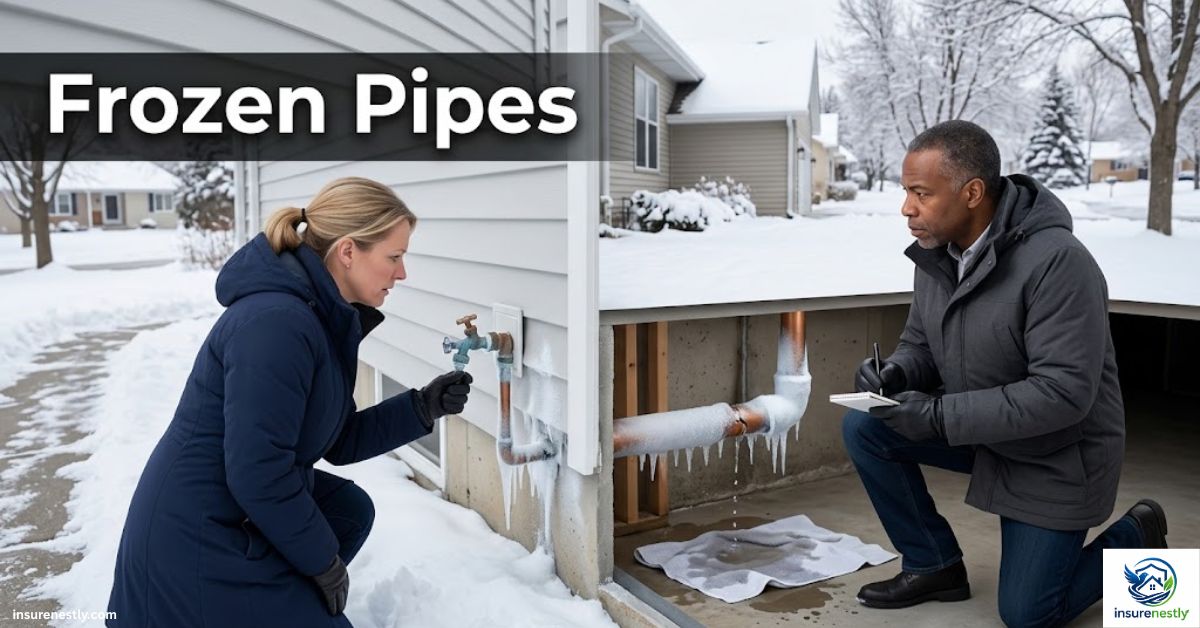
The average cost of emergency home repairs can range from $405 to $9,500 or more, depending on the severity of damage, the type of repair and service providers in your area. According to Angi.com, reported costs and nationwide averages show that a broken window may cost around $500, while a burst pipe can reach $5,000 and roof replacement or damage to a home’s foundation can run into thousands of dollars.
These home repair costs vary significantly across the country because labor, materials and the extent of damage differ, so homeowners should get estimates from service professionals before assuming a fixed price. The data collected and verified by service providers can give you a useful nationwide guide, but your actual costs may be higher when replacing a roof, repairing a pipe or handling extensive repairs to the foundation.
Conclusion
Paying for emergency home repairs does not always mean using your savings or taking the first loan you can find. Depending on your situation, insurance claims, grants, HELOCs, credit cards, contractor financing and other options can help you cover costs when urgent repairs cannot wait. Before choosing one, compare the total cost, interest, repayment terms and eligibility requirements so you do not create unnecessary financial pressure. The best approach is to choose an option that gets the repair handled quickly while keeping your future budget and ability to repay the money in mind.
Disclaimer
The information in this article is provided for general educational and research purposes only. It is based on publicly available information about ways homeowners may pay for emergency home repairs, including loans, insurance claims, grants and other financing options. Costs, eligibility requirements, interest rates, coverage and program rules can change over time and may vary by location and individual circumstances.
This article does not provide insurance, legal, tax, lending or financial advice and I am not a service provider. Readers should verify current details directly with the relevant insurer, lender, government agency or qualified professional before making financial decisions.
- Reference NerdWallet, “How to Pay for Emergency Home Repairs.” Read the full article on NerdWallet
Follow Our Social Accounts:
FAQs
How to pay for unexpected home repairs?
Check your homeowners insurance first. If it does not cover the damage, consider savings, a HELOC, home improvement loan, credit card or repair assistance programs.
What is the 504 home repair program?
The Section 504 Home Repair program helps eligible low income homeowners in rural areas repair, improve or modernize their homes. Some homeowners may qualify for loans or grants.
How to get a grant to fix your home?
Check local housing authorities, government programs, nonprofits and community organizations for available home repair grants. Eligibility depends on the program.
How to pay for home repairs when you have no money?
Look for grants, insurance coverage, nonprofit assistance or government programs first. If you need financing, compare loans and repayment terms before borrowing.

Shumail is an independent insurance researcher and content writer who researches publicly available insurance information and explains coverage, costs, and insurance concepts in simple language. InsureNestly provides educational and informational content only and does not sell insurance or provide insurance advice.