Last Updates: 02-October-2026
A grace period for Car Insurance may give you extra time after a due date or payment deadline to make a premium payment without immediately losing coverage, but the rules depend on your insurer, insurance policy and state requirements. While some companies may show generosity by allowing a grace period, others may apply fees, penalties or cancel the policy if the required payment is not made.
A lapse in coverage or policy lapse can leave you uninsured and may result in costly consequences, including higher costs when you need new car insurance. Understanding how a missed premium payment can affect your policy can help you maintain coverage and avoid an unnecessary lapse.
What Happens During a Car Insurance Grace Period?
When a payment due date passes, a grace period may give you time to catch up before your car insurance coverage ends, but the exact rules depend on state requirements and insurer requirements. Some insurance companies offer grace periods of 10 days or 20 days, while others may provide a different timeframe or no grace period at all.
During this period, coverage remains in effect only when the insurer allows it under the policy, so do not assume that a missed payment automatically means you are protected. If the premium payment is not received payment by the payment deadline, your insurance company may send a cancellation notice and the policy lapse can begin when the grace period ends.
A policy lapses when the required payments are not made, which can leave you uninsured and create serious consequences, including a break in continuous coverage. In my experience reviewing insurance information, the safest approach is to check your due date, contact the insurer and maintain coverage by making the payment as soon as possible rather than relying on a grace period, because states and insurers can handle a policy lapse differently.
Grace Period for Insurance on a New Car
When you purchase a car, the insurance requirements for a new vehicle can depend on your state and your existing auto insurance policy, so it is best to confirm the policy requirements with your insurance company before you drive off the lot. Some insurers may allow seven days, while others may provide up to 30 days to add the new car and have it officially added to your insurance policy.
This coverage timeframe does not mean you can safely assume the new car has insurance coverage without checking with your insurer. If you already have an active insurance policy, contact the insurer at the time of purchase and ask whether your vehicle coverage automatically extends to the new car and when you must provide proof of insurance. In my experience, confirming this before driving away from the dealership is a simple way to avoid driving uninsured after you buy a new car.
If the insurance company requires you to add the vehicle immediately, delaying could leave the new vehicle uninsured, which can create problems if an accident occurs. Your dealer may also ask for proof before allowing you to drive off the lot, but the dealer’s process does not replace the need to confirm your insurance protection with your insurer.
Effects of Missing a Car Insurance Payment
Missing a payment can create a car insurance policy lapse if you do not pay within the time allowed by your insurer, potentially leaving you with an uninsured period and a coverage gap. If you continue driving or get behind the wheel during an insurance lapse, you may have no insurance coverage if an accident occurs, while the financial consequences can include paying for damages yourself and facing higher insurance costs later.
Once the car insurance policy ends, reinstating car insurance may require policy reinstatement or purchasing new coverage, depending on the insurer and how long the insurance policy has been inactive. In my experience reviewing insurance policies, contacting the insurer quickly after a missed payment is usually the practical step because it can help you understand whether your existing coverage can be restored or whether you need new coverage before getting back behind the wheel.
Reinstatement Fees After a Policy Lapse
If your car insurance policy has lapsed, your insurance company may allow you to reinstate the policy instead of requiring a completely new insurance policy, but the rules vary by insurer. The company may charge a reinstatement fee along with any overdue amount before it is willing to reinstate policy and restore your insurance coverage.
The fee can differ based on the insurer and the length of the lapse, so contact the insurance company to ask whether you can reinstate the policy and what policy reinstatement costs apply.
Higher Rates After a Coverage Lapse
A gap in insurance coverage may result in higher premiums when you purchase a new policy, as some insurers may consider a lapse in coverage as a risk factor when setting your premium. Depending on the insurer, you may see an increased premium or additional insurer charges, which can make car insurance cost more than it did before the policy lapse.
The exact coverage costs and any charge vary by company, so ask your insurer how a lapse may affect the price for the same coverage and whether your insurance coverage can be restored without starting a new policy.
Policy Non Renewal After a Missed Payment
A missed payment does not always mean immediate policy termination, but an insurer may begin policy cancellation or decide not to renew the insurance policy if the required payment is not made. If the insurance company plans on canceling your car insurance, it may be required to notify you through a written notice or cancellation notice, depending on state rules and the policy terms.
The notice may explain when your coverage will end and whether you can make the required payment before policy cancellation takes effect. If your insurance coverage is not renewed, you may need to arrange coverage renewal with the same insurer or obtain another policy before the current policy ends.
Finding New Car Insurance After a Lapse
After a car insurance lapse, you may need to find a new insurance policy if your previous insurer will not restore your insurance coverage. When missing a payment causes a coverage lapse, contact your current insurer first and ask whether you are still eligible to restart the policy.
If you need a different insurance company, some insurers may view the policy lapse as a higher risk factor and charge more, which can lead to higher rates and higher insurance costs. Maintaining continuous coverage can help you avoid another lapse, while asking about a car insurance discount or other discount may help reduce your premium if you qualify.
Each insurer has its own coverage requirements, so compare options carefully to find a company willing to cover you at a price that fits your needs, especially if your missed payment resulted in a longer car insurance lapse or made you appear high risk.
Can an Insurance Lapse Result in Vehicle Repossession?
A car insurance lapse can create problems for drivers with a financed vehicle, especially when the loan agreement includes an insurance requirement. Most lenders require borrowers to maintain coverage, often including collision coverage and comprehensive coverage, throughout the auto loan period.
If you no longer have insurance, the lender may place insurance on the vehicle or take other action allowed by the financing agreement and in some cases, failing to meet the coverage requirement can lead to vehicle repossession. The exact process depends on the lender, the finance agreement and applicable rules.
Repossession is generally connected to failing to meet the terms of the loan rather than the insurance lapse itself, so if you purchase a financed vehicle, review your insurance policy and loan terms, keep the required insurance active and continue to repay the loan to reduce the risk of the lender deciding to repossess the vehicle.
What Are the Consequences of Driving Without Car Insurance?
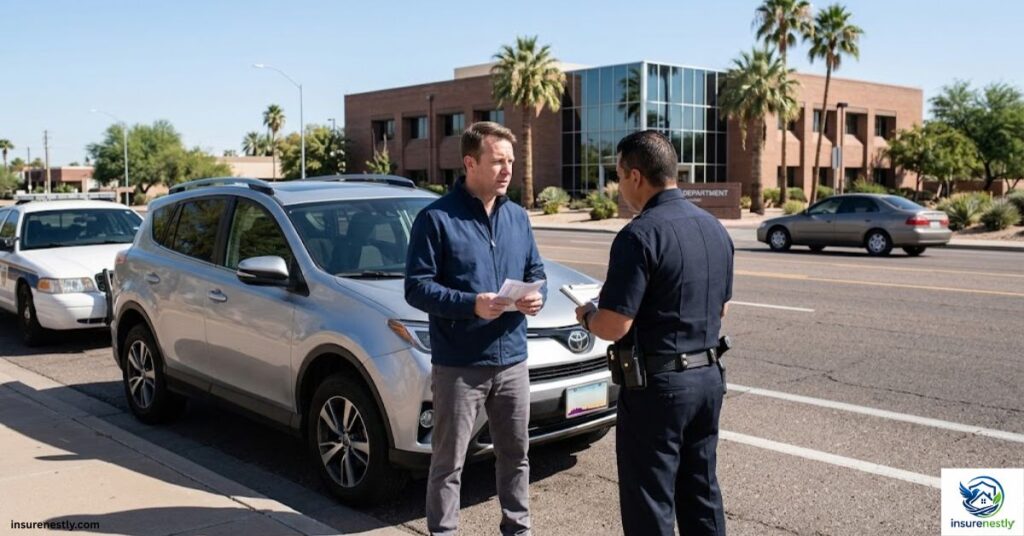
If a coverage lapse leaves you driving without insurance, you may no longer meet your state’s insurance requirements for legal driving. State laws vary, but states can impose penalties for uninsured driving, such as fines, license or registration suspension or other serious penalties, depending on the circumstances.
If your car insurance policy lapse occurs, do not drive anyway assuming you can drive legally without insurance coverage. Instead, check your state’s legal requirements and maintain insurance before driving again, because the consequences of failing to carry required insurance can be more costly than keeping an active policy.
Out of Pocket Costs After an Accident
If you cause an accident while driving without insurance, you may be responsible for paying out of pocket for property damage, injuries and other losses rather than having liability coverage handle these costs. The amount can vary based on where you live, the extent of damage, type of car and whether the damage is minor damage, moderate damage or severe damage.
For example, repair costs could be around $500 for minor damage, $1,500 for moderate damage or $4,000 or more for severe damage, while injuries could add $6,000 or more in medical and settlement costs. A settlement may also involve legal costs, legal fees or a lawsuit, increasing your financial responsibility beyond basic repair expenses. An uninsured driver may therefore face significant costs after an accident, with the final amount depending on the actual damages and applicable state rules.
Fines for Driving Without Insurance
The fines and penalties for driving without insurance vary widely between states, so drivers should check their local state laws before assuming that a particular amounts applies. For example, Missouri may impose $20 for certain related fees and can impose larger financial penalties for uninsured driving, while Louisiana and Delaware have different penalties depending on the offense and circumstances.
Some examples in the provided figures include $400, $500, $1,000, $1,500 and $3,000, but these amounts can apply differently to a first offense, second offense, third offense or subsequent offenses. Additional fees may also apply when a driver is uninsured or fails to maintain insurance coverage, so confirm the current rules for your state before driving without car insurance.
License and Registration Suspension
If driving without insurance results in uninsured driving, state authorities may impose penalties that can include license suspension or registration suspension, depending on state rules and the circumstances. Authorities may require proof of insurance or coverage verification before allowing you to resume driving legally.
If your insurance policy is canceled or you cannot prove coverage, your license or vehicle registration may be suspended until you provide valid insurance coverage and meet the applicable requirements. Maintaining active car insurance can help you avoid these consequences and keep your driving and registration status in good standing.
SR 22 Filing Requirements
An SR 22 is a form that an insurer files with the state to help prove coverage when a driver must meet specific filing requirements after certain violations. The SR 22 form confirms that the driver carries at least the minimum insurance required under the state’s car insurance requirements and state requirements, but the exact minimum amount of insurance coverage varies by state.
To file an SR 22, you generally contact an insurance company, which submits the SR 22 filing on your behalf. The insurer may charge a filing fee, such as $25 or $50, although the actual fee and policy cost depend on the company and state.
An SR 22 itself does not automatically cause a cost increase, but drivers who need one may face higher premiums because of the violation that led to the requirement. You may need to maintain the insurance policy for a specific period and continue meeting the state’s proof of insurance requirements.
Vehicle Impoundment
In some states, driving without insurance can result in vehicle impoundment, particularly when uninsured drivers are stopped by authorities and cannot show valid insurance coverage. Under certain state laws, authorities may impound the vehicle as one of the penalties for driving uninsured, while the driver may also face additional fines or other consequences.
The exact rules vary by state, so not every driver without car insurance will face vehicle seizure, but drivers should understand that vehicles can be impounded in some circumstances when required insurance is missing.
Points on Your Driving Record
Depending on state laws, driving without insurance or uninsured driving may lead to license points or other penalties, although not every state uses points for an insurance violation. If points are added to your driving record, they can affect your insurance record and may contribute to higher insurance rates or increased premiums.
Even if a state does not assign points for an insurance lapse, the gap in coverage may still influence your insurance rates, as insurers may consider a record of driving without insurance when determining your premium. Check your state’s rules to understand whether an insurance violation can place points on your record or otherwise affect your license and future coverage costs.
Jail Time for Driving Without Insurance
Jail time for driving without insurance is generally not the usual penalty for a basic insurance violation, but some states may allow imprisonment in certain circumstances or for repeated offenses. State laws determine the specific penalties and legal consequences that uninsured drivers may face when driving without insurance or engaging in uninsured driving.
In addition to possible jail time, drivers may face fines, license suspension or other penalties for not maintaining car insurance and required insurance coverage, so the rules should be checked for the state where the violation occurs.
Getting Car Insurance After a Coverage Lapse
If your grace period ends after a missed payment and you have a coverage lapse, first ask your insurer whether you can reinstate or reinstate existing policy by making the required payment. If the insurance company will not restore your insurance policy, you may need a new policy, so shop around with a private insurer and compare insurance costs, higher premiums and available coverage before choosing an option.
High risk drivers may have fewer choices and could need high risk insurance, while some drivers may qualify for their state’s insurance pool or another insurance pool if they cannot secure coverage through a private company.
Almost every state has insurance requirements, so maintaining continuous coverage is important if you want to drive legally and meet legal driving rules. If your policy lapse has already occurred, focus on getting active insurance coverage as soon as possible and do not drive until you secure coverage that meets your state’s requirements.
Ways to Avoid Missing Car Insurance Payments
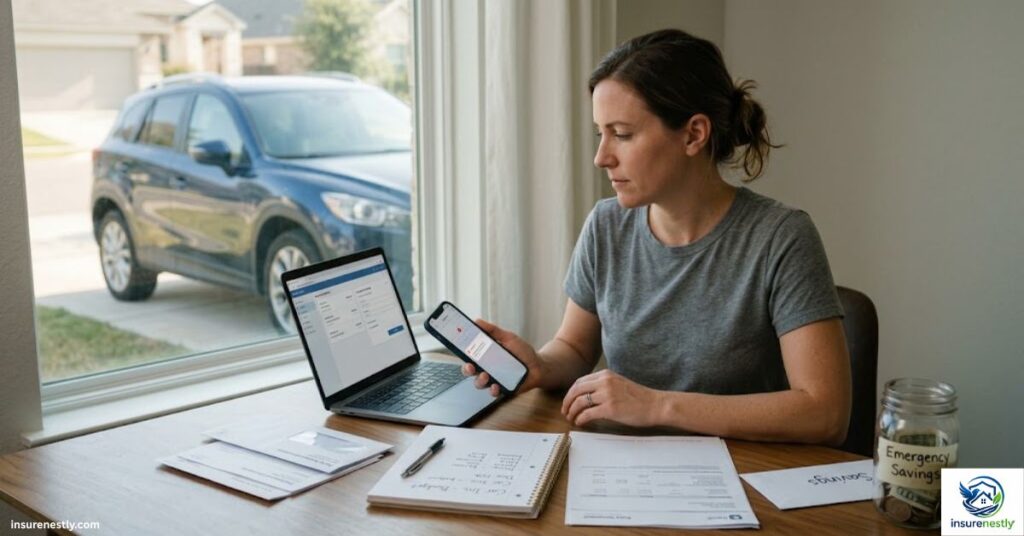
A few simple tips can help you avoid a missed payment and maintain continuous coverage on your insurance policy. Start by checking your payment due date and payment deadline, then set reminders so you can make payments on time instead of waiting until the last day.
Keeping enough money available for premium payments can also help you make payments when they are due. If your insurer offers automatic insurance payments, setting them up can reduce the chance of forgetting a payment.
You should also know your grace period, but do not treat it as extra time for every bill, because rules vary by insurer and a delayed payment can still lead to a policy lapse. These habits can help you avoid lapse, keep your insurance coverage active and maintain the coverage you need from your car insurance policy.
Set Up Automatic Car Insurance Payments
Setting up automatic payments or autopay can help you avoid a missed payment by allowing your insurer to collect the insurance payment from your bank account when it is due. Before signing up, choose a reliable payment method and keep sufficient funds available so your account balance can cover the premium payment by the payment due date and payment deadline.
This can make it easier to pay your bill on time and reduce the chance of a policy lapse, even if you forget about your insurance bill. Some insurers may also offer an insurance discount or other discount for using automatic insurance payments, but this varies by company.
Keep in mind that autopay does not replace checking your account, because insufficient funds could lead to overdraft fees or a failed timely payment. A grace period may apply after a missed payment, but it is safer to maintain enough funds and let autopay handle your car insurance payment as scheduled.
Set Payment Reminders
Setting reminders for your car insurance can make it easier to keep insurance coverage active and avoid a missed payment. Add calendar alerts several days before the payment due date and again before the payment deadline, giving yourself enough time to review the insurance bill and make the insurance payment.
You can also set a reminder for each premium payment so you do not rely only on the grace period if you forget a bill. Making a timely payment helps reduce the risk of a policy lapse and keeps your payment schedule organized.
Build an Emergency Fund
Building an emergency fund can provide financial protection when unexpected expenses make it difficult to meet your payment obligations, including an insurance payment. Keeping a financial cushion can help you avoid a cash shortage when an insurance bill is due, allowing you to make your premium payment by the payment due date and keep your insurance coverage active.
For example, if you are short on cash because of emergency expenses, having savings may help you cover insurance costs without delaying your car insurance payment. The right amount depends on your financial stability, financial health, regular insurance costs and the different scenarios you may face, but even a modest emergency fund can make unexpected bills easier to manage.
Keep Your Address Updated
Keeping your billing address updated with your insurer helps make sure you receive a bill, payment reminder and other correspondence from your insurance company. If you move, update your address as soon as possible so future invoices and your insurance bill reach you before the payment due date and payment deadline.
Missing an insurance payment because you did not receive the bill can still contribute to a missed payment or policy lapse, even if you expected a grace period. Keeping your address current also helps you stay informed about your car insurance, premium payment and insurance coverage requirements.
Create a Car Insurance Budget
Making a budget for car insurance can help you plan for insurance costs and avoid a policy lapse caused by a missed payment. As part of your financial planning, include your monthly car insurance payments in your monthly budget and set aside money for the premium payment throughout each month.
Before the payment due date and payment deadline, check that you have enough money to cover the car insurance payment and other important bills. Planning for the insurance bill alongside your regular expenses can make it easier to make a timely payment instead of relying on a grace period. If your insurance payment is due at a different time each month, adjust your budget so the money is ready when the bill arrives.
Find Ways to Lower Insurance Costs
If insurance costs are putting pressure on your budget, reevaluating your insurance policy may help reduce the payment burden while keeping the car insurance coverage you need. You might compare types of coverage, adjust policy limits or consider a coverage reduction where appropriate, but reducing policy limits or eliminating coverage can increase your financial risk and leave you more vulnerable after an accident.
Before changing your car insurance, consider your insurance needs, affordability, financial protection and the level of accident protection you would lose. Finding ways to save money should not mean removing coverage that you may need to protect yourself from major expenses.
Contact Your Insurer Before Missing a Payment
If you expect payment difficulty because of financial hardship, contact your insurer or insurance company right away, preferably before the payment due date, rather than waiting for a missed payment or policy lapse.
Explain the situation and ask whether the company can offer payment assistance, a payment arrangement or another option that gives you time to get caught up. Some insurers may be willing to work with you if you notify them early, but the available options depend on the company and your policy.
If you can make a payment toward your premium payment, ask how it will affect your car insurance and insurance coverage and whether a grace period applies to the remaining payment.
Conclusion
A missed car insurance payment does not always mean your insurance coverage ends immediately, but you should not rely on a grace period without checking your policy and state rules. Paying the premium as soon as possible, contacting your insurer and keeping track of the payment due date can help you avoid a policy lapse, extra fees and higher insurance costs. If your coverage has already ended, avoid driving uninsured and contact your insurance company to understand your options for restoring or replacing your car insurance. Taking action early can help you maintain continuous coverage and reduce the risk of costly problems later.
Research Disclaimer
The information provided on InsureNestly is based on independent research from publicly available sources, insurance industry information and state specific resources. We are an independent insurance research and content platform, not an insurance company, agent, broker, lawyer or service provider. The information on this website is provided for educational and informational purposes only and should not be treated as insurance advice, a quote or a guarantee of coverage. Insurance rules, rates, premiums and requirements can vary by state, insurer, policy and individual circumstances. Readers should review their insurance policy and confirm specific coverage, costs and requirements directly with their insurer or a qualified insurance professional before making decisions.
Note: Any prices, fees, premiums, or dollar amounts mentioned in this article are based on research and available information at the time of writing. Actual costs may vary by insurer, state, policy, and individual circumstances, and these figures can change at any time.
Source: Experian — What Is a Car Insurance Grace Period? Read the source
Follow Our Social Accounts:
Frequently Asked Questions
Can a car insurance grace period affect your credit score?
A missed car insurance payment does not normally work like a traditional loan payment on your credit report. However, unpaid insurance related balances may create other financial issues depending on the insurer and circumstances. Checking your insurer’s billing terms can help you understand what may happen if an outstanding balance remains unpaid.
Does changing your payment date help prevent missed insurance bills?
It can make budgeting easier. If your insurance bill arrives at a difficult time of the month, ask your insurer whether they allow customers to change the billing or payment date. Matching the payment date with your regular income schedule may make it easier to manage recurring expenses.
Can you change your car insurance billing frequency?
Many insurers offer different billing schedules, such as monthly, quarterly or annual payments, although available options vary by company and policy. Choosing a schedule that fits your budget may make your insurance expenses easier to manage and may also affect how much you pay in billing or installment charges.
Does switching insurers erase a previous missed payment?
No. Changing insurance companies does not automatically remove the history or financial obligation connected to a previous policy. Before switching, it is useful to confirm that any outstanding balance has been handled and that the new policy starts without an unintended gap between policies.
Can a policyholder request a copy of their insurance payment history?
In many cases, you can ask your insurer for billing records or payment history. These records can help you verify when payments were processed, identify any disputed transactions and keep documentation of your insurance account. Keeping these records can also be useful when reviewing your policy or discussing a billing issue with the insurer.

Shumail is an independent insurance researcher and content writer who researches publicly available insurance information and explains coverage, costs, and insurance concepts in simple language. InsureNestly provides educational and informational content only and does not sell insurance or provide insurance advice.