

Many drivers search for non standard auto insurance when regular insurance companies refuse to cover them. This usually happens to high risk drivers who have accidents speeding tickets DUI convictions lapses in coverage or poor credit. When standard policies are not available non standard auto insurance becomes the only way to stay legally protected on the road.According to industry research the non standard auto insurance market in the United States is estimated to be worth approximately $35 billion serving millions of high risk drivers across the country.
This article is intended for general informational purposes only and is not legal or financial advice. Rates eligibility and coverage options for non standard auto insurance vary by insurer and state laws. Always check with a licensed insurance agent for advice specific to your situation.
Written by Shumail at Insurenestly
Shumail is a researcher at Insurenestly with over 5+ years of experience studying auto insurance policies and consumer protection topics across the United States. He specializes in researching various types of auto insurance including non standard auto insurance temporary insurance and other specialized policies.
He is not an insurance agent or service provider. His work focuses only on studying insurance products collecting accurate information from reliable sources and creating easy to understand guides to help drivers make informed decisions.
Author Profile: Visit Shumail’s Author Page
What Is Non Standard Auto Insurance?

Non standard auto insurance is a type of car insurance designed for drivers who have difficulty getting coverage from regular insurance companies. It is mainly for higher risk drivers who may not qualify for standard policies due to their driving record age credit history or other factors.
The auto insurance market is generally divided into three segments:
- preferred
- standard
- non standard
Non standard drivers pay the highest premiums because they are statistically more likely to file claims.
Standard vs non standard auto insurance
| Factor | Standard Auto Insurance | Non Standard Auto Insurance |
|---|---|---|
| Driver profile | Lower risk drivers | Higher risk drivers |
| Premium cost | Usually lower | Usually higher |
| Eligibility requirements | Stricter | More flexible |
| Claims risk | Lower | Higher |
How does non standard auto insurance work?
Here’s how non standard auto insurance usually works:
- Insurers assess higher risk driving history
- Premiums may increase due to accidents or violations
- Coverage options vary by insurer
- Policies may include stricter terms or higher deductibles
This type of insurance gives many drivers a chance to stay legally protected on the road even with a difficult driving record.
Who May Need Non Standard Auto Insurance?
Non standard auto insurance is mainly for drivers who have trouble getting coverage from regular insurance companies. If you have a difficult driving record or other risk factors you may not qualify for standard policies. In such cases non standard auto insurance can help you stay legally insured.
Common driver profiles considered high risk
Here are common types of drivers who often need non standard auto insurance:
- Drivers with DUI convictions
- Multiple accidents or claims
- Drivers with poor credit history (where legally allowed)
- Young or inexperienced drivers
- Drivers with lapses in coverage
For example, drivers with a DUI conviction can expect to pay almost twice as much for car insurance compared to drivers with a clean record.
Low risk vs high risk drivers
| Driver Type | Insurance Impact |
|---|---|
| Clean driving history | Lower premiums |
| Multiple violations | Higher premiums |
| Experienced driver | More policy options |
| DUI/high risk driver | Limited insurer choices |
If your driving record is not perfect non standard auto insurance may be the best or only option available to you.
What Types of Coverage Exist in Non Standard Auto Insurance?
Non standard auto insurance offers similar coverage types as regular insurance. However the availability and cost of these coverages can vary depending on the insurance company and your risk profile. You can usually choose between basic and more complete protection.
Liability vs full coverage options
| Coverage Type | What It Covers |
|---|---|
| Liability coverage | Damage/injuries to others |
| Collision coverage | Damage to your vehicle after crash |
| Comprehensive coverage | Theft fire vandalism weather |
What optional coverages may be available?
You may also add these optional coverages with non standard auto insurance:
- Roadside assistance
- Rental reimbursement
- Uninsured motorist coverage
- Medical payments coverage
It is important to check with the insurer what options are available for your specific policy as some companies may have restrictions on non standard policies.
Why Do Drivers Become High Risk to Insurers?
Insurance companies label some drivers as high risk based on their past behavior and record. These drivers often cannot get standard auto insurance and are offered non standard auto insurance instead. This usually results in higher premiums.
Common factors that increase insurance risk
Here are the most common factors that can make a driver high risk:
- DUI or reckless driving
- Frequent claims history
- Speeding tickets
- License suspension
- Driving without insurance
Accident history vs clean record comparison
| Driving Record | Typical Insurance Effect |
|---|---|
| Clean record | Lower premiums |
| One accident | Moderate increase |
| Multiple accidents | Higher premiums |
| DUI conviction | Significant premium increase |
Having a clean driving record is one of the best ways to keep your insurance costs low. Any violations or claims can quickly push you into the high risk category.
How Much Does Non-Standard Auto Insurance Cost?
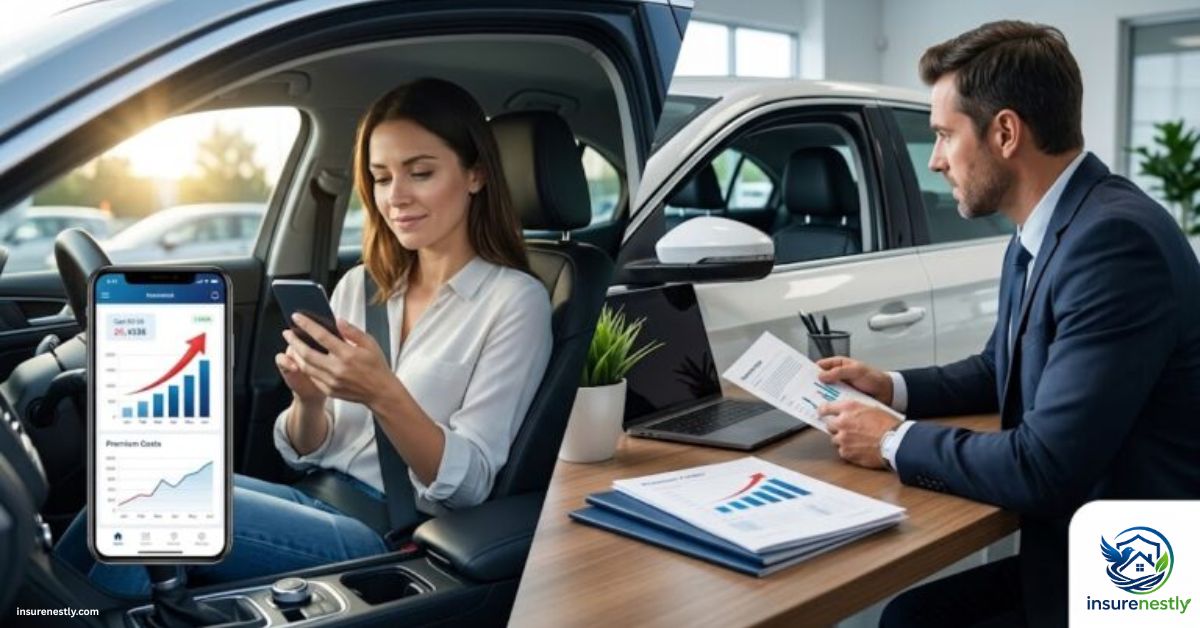
Non standard auto insurance generally costs more than standard coverage because it is designed for higher risk drivers. The price depends on many risk factors your state laws and the insurance company’s rules. Actual rates can vary widely so it is best to compare quotes.
Standard insurance vs non standard insurance pricing
| Factor | Standard Insurance | Non Standard Insurance |
|---|---|---|
| Monthly premium | Lower | Higher |
| Deductibles | Moderate | Sometimes higher |
| Coverage flexibility | Wider options | Limited options |
| Long term affordability | Better | More expensive |
What factors affect non standard auto insurance prices?
Several factors affect the cost of non standard auto insurance:
- Driving history
- Vehicle type
- ZIP code/location
- Driver age
- Coverage level
- Claims history
Young driver vs experienced driver pricing
| Driver Type | Typical Cost Trend |
|---|---|
| Teen/young driver | Higher premiums |
| Experienced driver | Lower premiums |
| DUI/high risk driver | Highest premiums |
Non standard insurance is more expensive but it remains one of the few options available for high risk drivers. Shopping around can help you find better rates.
What Are the Pros and Cons of Non Standard Auto Insurance?
Non standard auto insurance has both benefits and drawbacks. It helps many high risk drivers get coverage when standard companies refuse them. However it also comes with higher costs and some limitations. Understanding both sides can help you decide if it is the right choice for you.
Advantages vs disadvantages
| Advantages | Disadvantages |
|---|---|
| Coverage access for high risk drivers | Higher premiums |
| Helps maintain legal driving status | Fewer insurer choices |
| Flexible eligibility | Possible higher deductibles |
| Can help rebuild insurance history | More restrictions |
This table clearly shows the main pros and cons. Non standard auto insurance can be useful when you have no other options but it is usually more expensive and has stricter rules. Always compare your choices carefully.
How Can Drivers Lower Non Standard Auto Insurance Costs?
Non standard auto insurance is usually more expensive but there are still ways to reduce your premium. Taking the right steps can help high risk drivers save money while staying properly covered.
What strategies may reduce premiums?
Here are some practical strategies that may help lower your non standard auto insurance costs:
- Maintain clean driving record
- Avoid additional violations
- Compare multiple quotes
- Increase deductibles carefully
- Complete defensive driving courses
High deductible vs low deductible comparison
| Deductible Type | Premium Impact | Financial Risk |
|---|---|---|
| Higher deductible | Lower premium | Higher out of pocket costs |
| Lower deductible | Higher premium | Lower immediate repair costs |
Choosing a higher deductible can reduce your monthly payment but make sure you can afford the deductible if you have an accident. Comparing quotes from different companies is one of the easiest ways to find better rates.
How Does the Non Standard Auto Insurance Claim Process Work?
The claim process for non standard auto insurance is generally similar to standard insurance. You still need to report the accident and provide necessary documents. However because these policies are for higher risk drivers insurers may check your policy details more carefully.
Step by step claim process
| Step | Process |
|---|---|
| Report accident | Notify insurer |
| Submit documents | Photos and evidence |
| Claim investigation | Insurer review |
| Damage assessment | Repair estimate |
| Final decision | Approval or denial |
Why are some claims delayed or denied?
Here are common reasons claims get delayed or denied in non standard auto insurance:
- Missing documents
- Policy exclusions
- Incorrect information
- Coverage limitations
- Disputed fault
It is very important to submit all documents correctly and on time to avoid problems with your claim.
Non Standard Auto Insurance vs SR 22 Insurance
Non standard auto insurance and SR 22 insurance are both meant for high risk drivers but they serve different purposes. It is important to understand the difference so you can choose the right option for your situation.
In most states SR 22 must be maintained for approximately 3 years.
Non standard insurance vs SR 22 filing
| Factor | Non Standard Insurance | SR 22 Requirement |
|---|---|---|
| Purpose | Coverage for high risk drivers | State required filing |
| Legal filing | Usually not required | Required after certain violations |
| Premium impact | Higher | Often higher |
| Eligibility | High risk drivers | Drivers with serious violations |
Non standard auto insurance is a full policy that gives you actual coverage. SR-22 is not insurance itself — it is simply a certificate that proves you have the minimum liability coverage required by the state. In some cases, you may need both.
Conclusion
Non standard auto insurance serves as an important safety net for drivers who face challenges getting coverage from regular companies. Whether due to past accidents violations or other risk factors it helps many people stay legally on the road.
While this type of insurance is often more expensive with stricter terms it still provides essential protection. The key is to understand your options compare quotes and choose coverage that truly fits your needs.
Disclaimer
This article is intended for general informational and educational purposes only.It does not provide legal financial or personalized insurance advice.Non standard auto insurance rules costs eligibility and coverage options vary significantly by state and insurance company. The information shared here is based on general research and common practices. Your actual premium and available options may differ based on your personal situation.
We strongly recommend consulting a licensed insurance agent or your state insurance department for advice specific to your needs. Always compare multiple quotes and read policy documents carefully before purchasing any insurance.InsureNestly and its writers are not responsible for any decisions or financial outcomes you make after reading this article.
References and Sources
- National Association of Insurance Commissioners (NAIC) – Find Your State Insurance Department
- National Association of Insurance Commissioners (NAIC) – Understanding Auto Insurance
- Bankrate – Non Standard Car Insurance Guide
FAQs
What are the best non-standard auto insurance companies?
Some of the well known companies that offer non standard auto insurance include Progressive The General GEICO (in some cases) Allstate State Farm (limited) Bristol West and Foremost. The “best” company depends on your driving record state and vehicle
Which are the largest non standard auto insurance carriers?
Progressive The General and Bristol West are among the largest and most popular non standard auto insurance carriers in the United States. They insure a large number of high risk drivers across many states.
Who offers non standard auto insurance?
Many insurance companies offer non standard auto insurance. Major ones include Progressive The General Bristol West Foremost Safe Auto and several smaller specialty insurers. Some standard companies like GEICO and Allstate also offer it in limited situations.
What is non standard commercial auto insurance?
Non standard commercial auto insurance is coverage for businesses and commercial vehicles (like trucks taxis or delivery vans) when the business owner or drivers have a poor driving record or high risk. It is more expensive and harder to get than standard commercial insurance.
Is GEICO standard or non standard?
GEICO is primarily a standard auto insurance company. However they do offer non standard coverage in some cases for higher risk drivers. Most people with major violations or accidents may still be declined by GEICO and need to go to a dedicated non standard insurer.
Is Progressive considered non standard?
Progressive offers both standard and non standard insurance. They have a large non standard division and are one of the biggest providers for high risk drivers. Many people with accidents or violations get insured through Progressive’s non standard program.
What is a non standard policy?
A non standard policy is a car insurance policy given to drivers who are considered high risk. These drivers usually have poor driving records multiple accidents DUIs or lapses in coverage. These policies cost more and may have limited coverage options compared to standard policies.

Hi, I’m Shumail, an independent insurance researcher and content writer. I research different insurance topics and explain them in simple and easy language so that general readers can understand them better.
I am not an insurance agent, broker, lawyer, or service provider. I do not sell any insurance products or offer any financial services. The information shared on this website is purely for educational and informational purposes only.
My goal is to help people understand insurance concepts, policies, and basic guidelines in a clear and simple way through well-researched content.