Last Updates: 26-September-2026
When deep freeze conditions arrive, frozen pipes can turn into a costly problem for homeowners, especially when winter weather causes pipe freezing inside walls, ceilings or other hidden areas. Discovering damage from frozen pipes can put anyone into panic mode, particularly when water suddenly escapes from burst pipes and creates an immediate mess that may require repairs costing thousands of dollars.
The good news is that Homeowners insurance often provides frozen pipe coverage for covered water damage caused by a sudden and accidental pipe failure, but important conditions, coverage limitations and the specific policy can affect whether an insurance claim is approved or denied. Understanding your policy coverage, insurance coverage and the claim process can help you know when insurance will pay and when you may face out of pocket expenses for property damage and other financial expenses.
Taking preventive measures and prevention measures, such as keeping adequate heat and protecting vulnerable plumbing during winter, can help prevent the freezing and reduce the risk of a claim denial. This comprehensive guide explains frozen pipe claims, what coverage may apply, which steps can support claim approval and why a claim denied situation can occur when policy requirements are not met, helping you understand whether your coverage valid and what to expect from insurance after damage occurs.
How Dwelling Coverage Handles Frozen Pipe Damage
Dwelling coverage under a Homeowners policy generally protects the physical structure of your home when frozen pipes or burst pipes cause covered damage, including damage to walls, ceilings, flooring, drywall and other parts of the home structure. When a frozen pipe bursts, water spread can quickly spread from the plumbing source into surrounding areas, causing extensive water damage and expensive consequences if you do not address the leak quickly.
In a typical frozen pipe claims situation, dwelling insurance may cover damage caused by the resulting water, while plumbing repairs to the actual frozen pipe or broken pipes can depend on the reason for the failure and your policy terms. In practice, repairs may require an insurance provider to approve pipe access, especially when contractors must open up walls or gain access to pipes located within walls before they can repair or replace damaged sections.
The costs can increase when water reaches insulation or multiple parts of the structure and rebuilding portions of the property may involve structural repairs rather than simple repair work. If the policy covers the loss, the insurer may calculate payment using replacement cost value rather than the home’s current market value, since dwelling coverage is designed around the cost of restoring covered parts of the structure, not the home’s market value.
Personal Property Coverage for Frozen Pipe Water Damage
Personal Property coverage is an integral part of a typical home policy, helping provide protection for personal belongings when burst frozen pipes or pipe bursts cause water damage inside the home. If water damaged belongings such as furniture, electronics, clothing, cabinets, appliances, documents or other items are damaged after a pipe bursts, property coverage may help pay for cleaning, repair or replacement, depending on the specific insurance policy terms.
Water can move through multiple rooms and reach lower levels, leaving substantial damage to belongings throughout your home, so keeping records and photos of affected property can help support a claim. Coverage may use actual cash value or replacement cost, with actual cash value coverage generally accounting for depreciation while replacement cost coverage can provide more money to replace eligible items with comparable new ones.
Valuable items such as jewelry, collectibles and artwork may have special limits, so homeowners who want to fully protect high value items may need extra coverage or separate policies. The amount available for replacement depends on the policy, the type of loss and whether the damaged property falls within the insurer’s covered categories.
Are Frozen and Burst Pipes Covered by Homeowners Insurance?
In most cases, homeowners insurance may provide coverage when frozen pipes lead to sudden and accidental water damage, including structural damage and personal property damage, but the outcome depends on whether you took reasonable preventive measures and followed proper maintenance practices.
A burst frozen pipe can result in significant damage to your home and the repair cost, replacement cost or costs to repair or replace damaged personal property may be covered when the loss is considered accidental damage. However, insurance companies may deny claims in non covered scenarios when a pipe freezes because the home was vacant, the heat turned off or the owner intentionally turned off the heat during cold weather without taking basic winterization steps.
One key requirement is to maintain heat and keep the indoor temperature around 55°F during winter, especially when leaving a vacant home; maintaining indoor temperature can help with prevention and demonstrate that the frozen pipe was not neglected. Depending on the policy, temporary living expenses may also be covered if burst pipe claims make the home temporarily unlivable, but temporary living expenses and other insurance benefits depend on the specific coverage terms.
Does Home Insurance Cover Frozen and Burst Pipe Damage?
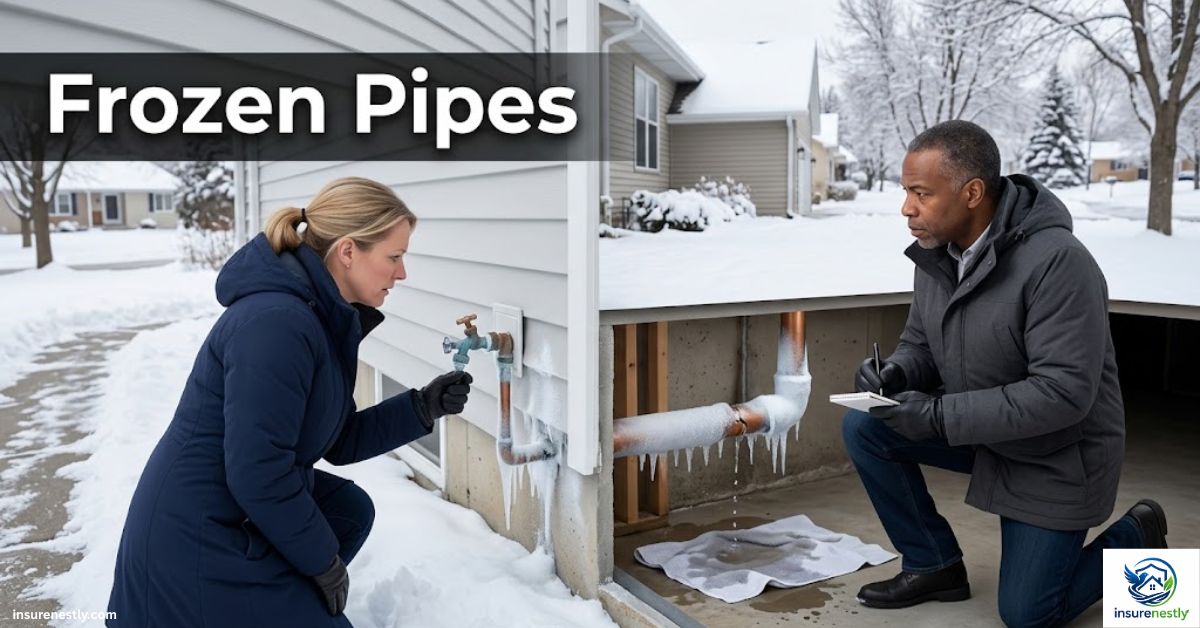
Homeowners insurance generally provides water damage coverage when burst frozen pipes cause sudden and unexpected damage, but coverage applies mainly to the resulting damage rather than normal plumbing repairs. When water freezes, it expands and creates pipe pressure inside the plumbing system; even ice occupying only 1/8 inch of a pipe can create enough pressure to cause it to crack or burst the pipe, allowing a large water release that can cause significant damage throughout your home.
Depending on the insurance policy, water damage, structural components, furniture, clothing, electronics, appliances and other personal belongings may be covered under insurance coverage, while the cost to repair the actual burst pipe may depend on the policy requirements. From a practical claims perspective, it helps to document everything, including damaged areas, damaged belongings and the source of the leak, before beginning water removal, restoration or professional restoration services.
If the damage makes an uninhabitable home, some policies can also provide temporary living expenses, such as temporary hotel stays or other living expenses, while repairs are completed; however, mold remediation, mold remediation services and other related costs depend on the insurance policy and the cause of the loss. Some insurers report that frozen pipes contribute to approximately 9% of homeowners claims, showing why quick action after a single day of freezing temperatures can matter when protecting your home from a costly burst pipe loss.
Additional Living Expenses During Frozen Pipe Repairs
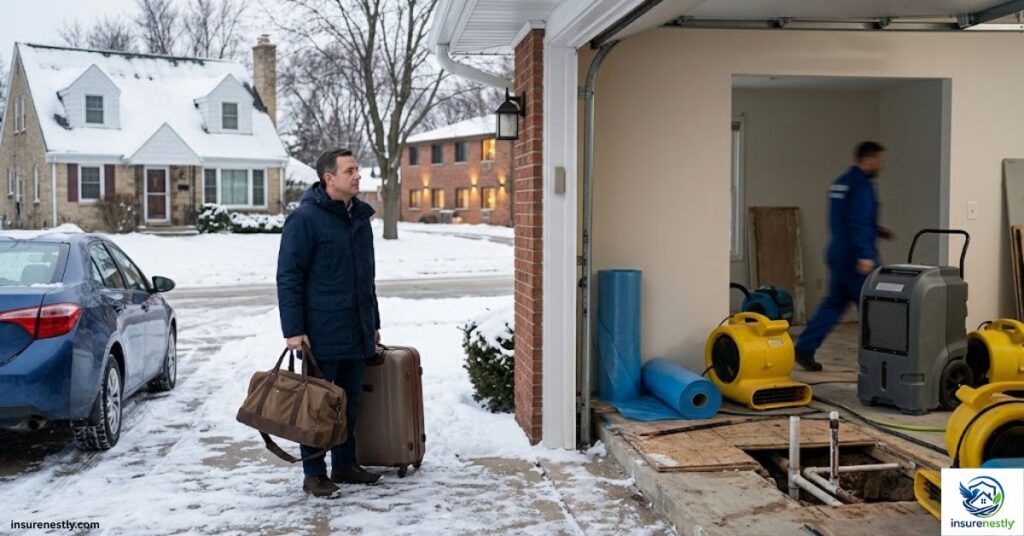
Additional living expenses coverage (ALE) in many Homeowners policies can help with necessary expenses when covered damage from frozen pipe damage and water damage makes your home unlivable and requires temporary displacement or living elsewhere during repairs and restoration.
This insurance coverage may help pay temporary housing costs, such as hotel stays, temporary housing or other housing expenses, along with expenses above normal such as increased food costs, increased costs from eating away from home when your kitchen cannot be used and pet boarding fees or pet boarding when required.
ALE is designed to cover additional expenses caused by displacement rather than normal living costs, so your regular mortgage and other costs you would normally pay are generally not treated as ALE simply because repairs are inconvenient.
For example, rental property expenses may be handled differently depending on the policy, while a luxury hotel may not be fully reimbursed if a less expensive temporary housing option is considered reasonable. If the home remains habitable, habitable areas can still be used and convenience alone usually does not create an ALE benefit; however, extensive water restoration projects may require housing expenses to continue until repairs are completed, subject to the limits and conditions of the insurance policy.
What to Do After Your Pipes Freeze
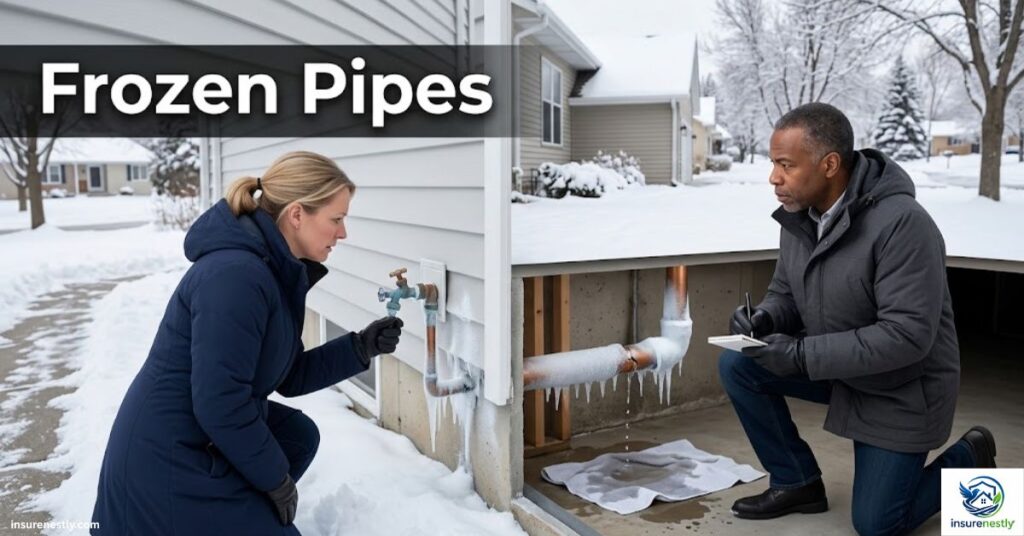
When pipes freeze, start with immediate steps to reduce water pressure and limit the chance of major water damage. If there is no flow from an affected faucet, locate the frozen section and check the surrounding plumbing system for visible pipe damage, cracks or signs that a frozen pipe has already burst.
As part of burst pipe emergency procedures, shut off the water supply pipes at the main valve if you suspect a burst pipe, then systematically check the home for leaks as water flow returns. For a pipe that has not burst, you can apply heat carefully with a hair dryer, heating pad, warm towels or another source of gentle heat, starting near the faucet and working toward the blocked section so the thawing process happens gradually.
Avoid open flame, blowtorches and other high heat sources because they can create fire hazards or damage the pipe; never leave heating equipment unattended while you monitor the area. As expanding ice melts, water pressure can increase, so watch closely for water running, leaks or cracks that appear as the pipe thaws. If the frozen plumbing is difficult to reach, involves complex sections or you cannot safely access pipes, stop and contact a professional plumber rather than forcing the pipe to burst or causing further damage.
If the pipe thaws naturally, continue to monitor it and restore water flow slowly; if frozen pipe bursts occur or a burst pipe emergency is imminent, follow your insurer’s emergency procedures and document the damage, since prevention efforts and prompt action can also help when dealing with a complex insurance claim.
Emergency Steps for Burst Frozen Pipes
- Immediate response: If frozen pipes burst, shut off the main water supply at the valve as quickly as possible to stop additional flooding and minimize damage to your property and house.
- Protect against electrical hazards: Keep away from standing water near electrical outlets because electrocution is a serious risk. If it is safe to do so, switch off the affected electrical circuits and keep people away from the affected areas.
- Start water mitigation: Arrange water removal and water mitigation quickly to limit water damage, secondary damage and further damage. A water mitigation specialist or water restoration company may use specialized equipment to remove water and begin the drying process.
- Call a plumber: Contact a professional plumber for emergency repairs and to determine the extent of damage to the fixtures, appliances, pipes and other parts of the home.
- Document everything: Take photos and videos of the incident, burst, standing water, flooding and extensive damage before cleanup when it is safe. Keep receipts for emergency services, cleanup costs and other expenses because this documentation may support an insurance claim or reimbursement request.
- Contact your insurer: Notify your insurance provider or insurance company promptly and explain what happened. Ask whether the covered event falls within your insurance coverage, what policy coverage applies and whether coverage limits affect payment for water restoration, cleanup or emergency response.
- Prevent mold and health hazards: Begin restoration and drying as soon as possible because trapped water can encourage mold growth and create other health hazards. Fast water mitigation and proper cleanup can help prevent additional harm.
- Handle temporary needs: If the home becomes unsafe or unlivable after a covered loss, ask about temporary living expenses and whether your insurance policy provides this benefit.
- Follow reasonable care requirements: Policyholders and the property owner should take reasonable care to protect their property, prevent additional harm and cooperate with the insurer’s emergency response and restoration requirements.
- Check policy terms: The final payment depends on the insurance policy, policy coverage, coverage limits and the cause of the loss. Insurance coverage may pay for eligible damage and mitigation after a covered event, but policyholders may remain responsible for excluded losses or costs outside the applicable limits.
Frozen Pipe Damage Home Insurance Does Not Cover
Homeowners insurance may not provide insurance coverage for frozen pipe claims when the resulting frozen pipe damage comes from preventable problems, negligence or a failure to take reasonable care of the plumbing system. For example, if property owners failed to maintain heat in a vacant home, left home unheated for an extended period or were intentionally turning off heat during winter months, an insurance adjuster may determine that the loss was preventable and the claim may be denied.
Insurers can also question gradual leaks, seepage, known plumbing problems or preventable maintenance issues where water damage developed over time rather than from a sudden and accidental event.
Pipes that freeze in unheated areas, including crawl spaces, can also create coverage concerns when proper insulation, maintenance or winterization was ignored. While insurance covers many losses caused by a sudden and accidental burst pipe, it may not cover the actual frozen pipe, routine plumbing repairs or the cost to repair or replace components when the underlying issue involves negligent maintenance or a failure to take basic preventive measures before pipes freeze.
Depending on the policy, specific exclusions may apply to frozen pipes, winter weather, damage or preventable damage and insurance companies may review whether the plumbing received proper care and whether the pipe burst resulted from an unexpected event.
In some cases, insurance adjuster findings can distinguish between a covered sudden accidents loss and a problem caused by poor maintenance, inadequate insulation or other preventable maintenance issues, while necessary upgrade work may remain the responsibility of the homeowner.
How Frozen Pipe Prevention Protects Your Coverage
Taking reasonable preventive measures can help prevent frozen pipes and reduce the chance that insurance providers question a claim after frozen pipe damage occurs. During winter months and periods of extreme cold, property owners should keep the thermostat near 55°F, especially in unoccupied homes or vacant properties, because keeping warm air moving through the plumbing system can help prevent freezing in interior pipes, exterior walls, attics, basements, garages and other unheated areas.
Pipe insulation, foam wraps and heat tape can add freeze protection around exposed pipes and water supply lines, while sealing air leaks around windows and doors helps keep cold air out and warm air inside. Before the first freeze, garden hoses should be disconnected from outside faucets and exterior faucets, while water shut off procedures and the main water shut off valve should be understood before away from home periods.
For longer absences, rental property owners should consider proper winterization, regular inspections and following any specific policy requirement for vacant or unoccupied properties. When temperatures fall below 28°F, allowing selected faucets to drip slowly, around 5 drops per minute, may keep water flow moving and reduce freezing risks, while opening bathroom cabinet doors beneath sinks can allow warm air to reach interior pipes.
Property owners should also drain vulnerable lines where appropriate, close or protect outside faucets and check electrical outlets before using approved heating equipment. These preventive measures can reduce the chance that pipes freeze, burst or cause water backing up, although insurance policies differ and Homeowners coverage may have limits, exclusions or special endorsements for vacant homes and certain water losses.
Checking your policy with insurance companies or insurance providers before cold weather arrives can clarify what coverage applies and whether additional protection is needed.
Frozen Pipe Insurance Claims: Steps and Documentation
When filing a frozen pipe insurance claim, start the claim process by contacting your insurance company or insurance agent and report damage as soon as possible. A prompt report gives the insurer time to begin the claim investigation process and arrange an inspection when needed. Before making permanent repairs, take photos and videos of the pipe burst, affected areas, property damage and water damage and keep written descriptions of the incident and what happened.
Keep detailed records, repair estimates, contractor information and receipts for emergency expenses, emergency repairs, cleanup costs, restoration and temporary living expenses, as these may be reimbursable depending on the policy and insurance coverage. If immediate emergency repairs are necessary to mitigate additional damage or prevent further damage, use qualified or licensed contractors where practical, but keep all claim documentation and explain the work to the insurer.
The insurance adjuster may inspect the property, review the evidence and determine whether the loss was sudden and accidental, while also considering reasonable care, preventive measures, prevention efforts and whether the plumbing was properly maintained. Issues such as poor maintenance or negligence can affect certain frozen pipe claims, depending on the policy terms and circumstances.
Be ready to provide all requested documentation and meet the insurer’s policy requirements, including any deductible requirements, the applicable deductible amount, specific requirements and coverage limits. For a complex water damage claim, maintaining complete evidence can help the claim investigation move forward, but the claim value, final insurance payout and whether the insurance payout covers the full amount of the loss depend on the policy, applicable limits, deductible, covered damage and the insurer’s investigation.
Proper claim documentation can also help ensure the claim is prepared, claim processed and considered for available full benefits under the Homeowners insurance policy.
Why Frozen Pipe Insurance Claims Are Denied
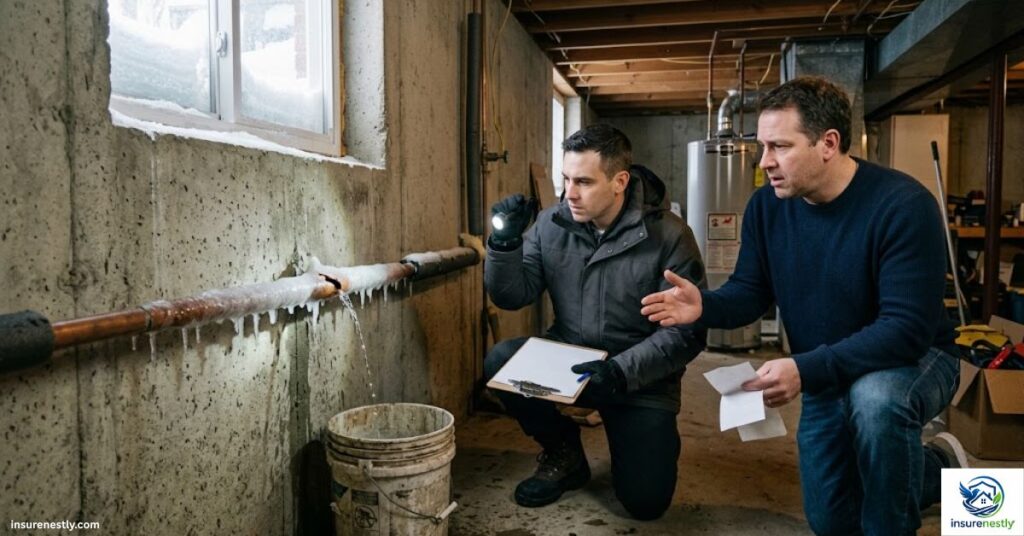
Frozen pipe claims can be denied when the insurer finds that the homeowner did not take reasonable care to protect the property during freezing weather and the winter months. Common denial reasons include failing to maintain adequate heat, leaving a vacant property without required winterization, ignoring maintenance issues or failing to follow policy requirements for a vacant home during extended absences.
For example, some policies may require the owner to keep water running, maintain heat, shut off water or drain the pipes when leaving for vacations or other periods away from the property; the exact requirements depend on the policy language and policy terms and some insurers may set specific conditions for absences lasting two weeks or longer rather than a universal two hours rule.
Claims can also become difficult when pipes freeze in unheated areas, where poor insulation, neglected plumbing maintenance or previous known plumbing issues contributed to the loss. Insurance companies may review the evidence, property maintenance and causes of damage to determine whether the loss was accidental and whether the homeowner followed the Homeowners policy.
A claim denied for negligence or a violation of policy conditions is different from a loss excluded under legitimate coverage exclusions, so homeowners should review their insurance policy before assuming that every frozen pipe claim has the same coverage. If a vacant home claim is rejected, the owner can compare the denial reasons with the actual policy language, ask the insurer for its basis for approval or denial and provide additional evidence if the facts show that proper basic winter property maintenance, plumbing maintenance and winterization were followed.
Some misunderstandings about water damage coverage arise because insurance coverage for resulting water damage may differ from coverage for the frozen pipe itself, while larger damage can increase the importance of documenting how the sudden problems developed.
Reasonable homeowners who are living in the home and maintaining heat may still face a denial when specific policy terms apply, but a denial should be checked against the actual insurance policy, including how the property was underwritten and priced, the stated likelihood of freezing losses and any conditions for vacant properties.
Protecting Your Home From Frozen Pipe Damage
Taking proactive steps during the coldest months can provide better property protection and help prevent frozen pipes before winter weather creates serious pipe damage. Homeowners should maintain adequate heat, use pipe insulation and focus on properly insulating exposed pipes in vulnerable areas as part of regular property maintenance and winterization.
These preventive measures are especially useful during the winter months because they can reduce the chance of burst pipes and burst frozen pipes, which may cause sudden and accidental water damage inside the home. From an insurance perspective, taking reasonable preventive measures can also support coverage validity, while negligence or failure to follow stated coverage requirements may contribute to claim denials.
Your Homeowners insurance may provide water damage coverage for resulting damage, but the policy may not cover the pipes themselves and policy exclusions, coverage limits and other requirements can affect available insurance coverage. Check your specific policy, read the policy language and understand what it excludes so your coverage remains valid when you need it. If the wording is unclear, an insurance agent can explain the applicable coverage requirements, policy exclusions and limits.
These necessary steps can strengthen your financial protection, financial security and property security, while helping you protect your home and protecting your property with greater peace of mind.
Frozen Pipe Coverage Depends on Proper Home Protection
Frozen pipe damage is more likely to qualify for insurance coverage when a homeowner takes reasonable steps to provide property protection and maintain the property before freezing occurs. A home that is occupied and maintained with adequate heat may meet the coverage eligibility conditions of many insurance policies, while a vacant or unoccupied property can have additional policy requirements that affect coverage.
Homeowners should check the insurance policy for any temperature requirement, such as maintaining a certain temperature and follow the exact language rather than assuming every policy works the same way. Keeping the heating system operating, taking proper precautions and using preventive measures can help prevent freezing and protect the plumbing system from plumbing damage.
When a frozen pipe bursts, the resulting water discharge from the plumbing source may cause covered damage when the loss is sudden and accidental, but coverage can depend on whether the homeowner neglected required maintenance or failed to take the proper steps outlined by the policy. The same principle can apply to household appliances and other appliances connected to the plumbing, although each loss depends on the policy terms.
Some policies may also include specific precautions involving automatic fire protection, fire protection or other systems that need heating during cold conditions, while air conditioning equipment may have separate considerations. Commercial property insurance can have different requirements from homeowner insurance, so property owners should not assume that rules for one type of property apply to another.
As a practical caveat, always review the policy before winter arrives and ask the insurer about coverage for frozen plumbing, especially if the property will be vacant, because taking these precautions can help safeguard your property and support coverage eligibility after a pipe discharge or burst.
Winter Steps to Prevent Frozen Pipes and Protect Your Home
- Insulate pipes: Add pipe insulation to exposed piping, especially in unheated areas, uninsulated areas, garages, basements and other cold locations. Foam sleeves, batt insulation, pipe tape and expanding foam from a local hardware store can provide added freeze protection.
- Maintain indoor heat: During winter and extreme cold weather, keep the room temperature at least around 55 degrees to reduce the risk of a freezing pipe. A setting of 69 degrees may provide additional warmth, but the exact temperature needed depends on the property and weather.
- Protect outdoor faucets: Disconnect garden hoses from outside faucets and outdoor water faucets, then cover exposed fixtures when appropriate. Know where the shut off valve is located so you can cut off water quickly if a pipe starts freezing.
- Fix leaks early: Fix leaks around the water supply, faucet and appliances before temperatures fall. Even a small drip can become a larger problem when water freezes and expands inside the piping.
- Prepare a vacant property: If you have a vacant property or unoccupied property, arrange to check on property regularly, particularly during winterization periods. Ask a trusted neighbor to inspect the property if you will be away for more than 3 days and follow the insurer’s requirements before you shut off water supply or drain the system.
- Keep emergency supplies ready: Store enough drinking water for emergencies, using 1 gallon per person per day as a basic emergency supply guideline. Keep essential supplies available in case a water supply must be temporarily interrupted.
- Use heaters safely: Avoid using space heaters near pipes and never use kerosene heaters, direct fire or a blow torch to thaw a freezing pipe. These methods can create a serious fire risk or increase the chance of carbon monoxide poisoning.
- Thaw frozen pipes carefully: If a pipe freezes, a hair dryer can provide gentle heat when used safely and continuously monitored. Never leave heating equipment unattended and avoid applying excessive heat directly to the freezing pipe.
- Take extra precautions: During periods of no heat, protect the property by following the manufacturer’s and insurer’s instructions for winter protection. These steps act as an added precaution and can support water damage prevention.
- Safeguard the plumbing system: Check meters, valves, water and connected appliances before and during severe cold. Proper preparation can help safeguard your home from frozen pipe damage and reduce the need for emergency repairs.
Conclusion
Frozen pipes can cause serious water damage, but knowing how Homeowners insurance works can make a difficult situation easier to handle. Coverage often depends on whether the damage was sudden and accidental, how well the plumbing system was maintained and whether you followed the policy requirements. Taking simple prevention steps, such as keeping adequate heat, insulating exposed pipes, protecting outdoor faucets and preparing a vacant home for winter, can reduce the risk of burst pipes and potential claim problems.
If a pipe does freeze or burst, acting quickly, documenting the damage, limiting further water loss and contacting your insurer can help you manage the claim process. Since every insurance policy has different exclusions, limits and conditions, reviewing your policy before the coldest months can help you understand what coverage you have and which expenses may remain out of pocket.
Disclaimer
This article is provided for general informational and research purposes and is not intended to provide insurance, legal, financial or professional advice. As a researcher, I have compiled information about frozen pipes, homeowners insurance, burst pipe claims, water damage, coverage conditions and prevention measures from available sources, but insurance policies and requirements can differ by insurer, state, property type and individual circumstances.
Coverage, exclusions, deductibles, claim decisions and policy limits should always be confirmed through your own insurance policy and the relevant insurance provider. Readers should not rely on this article as a guarantee that an insurance claim will be approved or that insurance will pay for a particular loss. Information, examples and figures presented in this article are research based and may change over time, so verify current details before making insurance or property related decisions.
Research Sources
- Hilb Group: Explains frozen pipe insurance coverage, burst pipe damage, claim conditions, and prevention measures. Read Source
- DC Department of Insurance, Securities and Banking: Provides consumer guidance on frozen pipe coverage, winterization, prevention, and insurance policy conditions. Read Source
Follow Our Social Accounts:
Frequently Asked Questions
Can frozen pipes affect a home’s resale value?
Frozen pipe incidents can affect a home’s condition if they leave behind hidden moisture, weakened materials or unresolved plumbing problems. Keeping records of repairs and restoration can help demonstrate that the property was properly maintained.
How Do You Know When a Pipe May Be at Risk of Freezing?
Warning signs can include unusually low water pressure, a weak stream from a faucet or no water coming from a normally working fixture. These signs can indicate that ice is forming somewhere in the plumbing line and should not be ignored.
Should I inspect my home after a winter power outage?
Yes. A prolonged power outage during freezing temperatures can reduce indoor heat and increase the risk of plumbing problems. Check vulnerable areas for unusual sounds, leaks, moisture or changes in water flow once it is safe to enter the property.
Can frozen pipes cause problems after temperatures rise?
Yes. Damage may become noticeable during thawing because melting ice can allow water to escape through cracks that were not visible while the pipe remained frozen. Checking vulnerable plumbing as temperatures rise can help identify problems early.
How long should I keep records after a frozen pipe incident?
Keep insurance related records, repair invoices, photographs, contractor information and other relevant documents for as long as your policy, insurer or applicable state requirements recommend. Organized records can be useful if questions arise about the incident or later repairs.

Shumail is an independent insurance researcher and content writer who researches publicly available insurance information and explains coverage, costs, and insurance concepts in simple language. InsureNestly provides educational and informational content only and does not sell insurance or provide insurance advice.