
Last updated: 26-May-2026
Many drivers search for the cheapest car to insure because they want to reduce their monthly expenses. High insurance premiums can make owning a car feel very expensive, so people look for vehicles that cost less to insure while still being safe and reliable for daily use.Insurance premiums vary significantly by driver profile, vehicle type, insurer, and state laws. Always compare quotes and consult a licensed insurance agent for advice specific to your situation.
Written by Shumail at Insurenestly
Shumail is a researcher at Insurenestly with over 5 years of experience analyzing auto insurance products across the United States. During his research, he has reviewed and compared pricing data from insurance providers to help drivers find affordable coverage. His work has been compiled from industry platforms including Bankrate, NerdWallet, and NAIC data. He does not hold a license as an insurance agent.
Author Profile: Visit Shumail’s Author Page
What Makes a Car Cheap to Insure?
Insurance companies look at many things before deciding how much to charge you for car insurance. They check repair costs, theft rates, safety features, and how likely the car is to be in an accident. A car that is cheap to buy is not always cheap to insure.
What factors affect car insurance costs?
Here are the main factors that affect how much you pay to insure a car:
- Vehicle repair costs
- Theft rates
- Safety ratings
- Engine size and performance
- Vehicle value
- Accident claim history
Cheap to insure cars vs expensive to insure cars
| Factor | Cheap to Insure Cars | Expensive to Insure Cars |
|---|---|---|
| Repair costs | Lower | Higher |
| Safety ratings | Usually higher | Varies |
| Theft risk | Lower | Higher |
| Engine performance | Moderate | High performance |
| Vehicle value | Lower to moderate | High value luxury/sports cars |
Choosing a car with lower repair costs and good safety features can help you save money on insurance every year.
Average Annual Full Coverage Premium by Vehicle
| Vehicle | Average Annual Full Coverage Premium |
|---|---|
| Subaru Outback | $2,242 |
| Honda CR V | $2,270 |
| Toyota Tacoma | $2,389 |
| Honda Pilot | $2,430 |
| Ford Escape | $2,442 |
| Toyota RAV4 | $2,420 |
| Honda Odyssey | $2,446 |
| Acura RDX | $2,474 |
| Jeep Wrangler | $2,407 |
Note: These are approximate average annual full coverage premiums. Actual rates may vary based on your driving record, location, and other factors.
Most Affordable Vehicle Types for Cheap Car Insurance Rates
| Vehicle | Average Annual Full Coverage Premium |
|---|---|
| Honda Civic | $2,678 |
| Mazda 3 | $2,725 |
| Toyota Camry | $2,697 |
| Kia Forte | $2,863 |
| Toyota Prius | $2,774 |
| Nissan Altima | $2,934 |
Vehicles That Usually Come With Higher Car Insurance Costs
| Vehicle | Average Annual Full Coverage Premium |
|---|---|
| Audi R8 Quattro Performance | $6,680 |
| Tesla Model S Plaid | $5,301 |
| Tesla Model X | $5,354 |
| Dodge Charger | $4,947 |
| Lexus RC F | $4,596 |
Note: These are approximate average annual full coverage premiums. Actual rates may vary based on your driving record, location, coverage level, and other factors.
Source: The average car insurance rates shown in the tables above are approximate figures compiled from industry data and rate comparison platforms, including Bankrate
What Types of Cars Usually Have Lower Insurance Costs?
Some types of cars are cheaper to insure because they have lower repair costs, good safety ratings, and are stolen less often. Insurance companies look at these things when setting your premium. Choosing the right type of car can help you save money every year.
Common vehicle categories with lower insurance premiums
Here are common vehicle categories that usually have lower insurance costs:
- Compact sedans
- Small SUVs
- Family oriented vehicles
- Vehicles with strong safety ratings
- Cars with lower repair costs
Sedan vs SUV vs sports car insurance costs
| Vehicle Type | Typical Insurance Trend |
|---|---|
| Compact sedan | Usually cheaper |
| Small SUV | Moderate pricing |
| Luxury SUV | Higher premiums |
| Sports car | Highest premiums |
If you want cheaper car insurance, compact sedans and small SUVs are often good choices. Sports cars and luxury vehicles usually cost much more to insure. Always check insurance quotes before buying a car.
Who Can Benefit From Choosing the Cheapest Car to Insure?
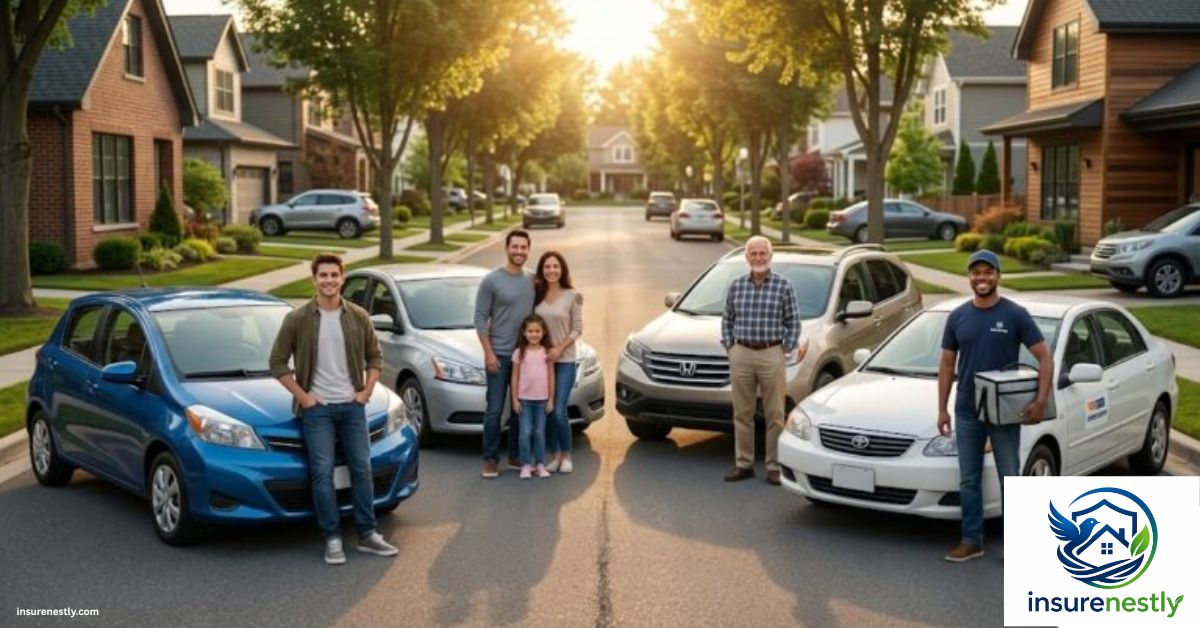
Affordable insurance can help different driver groups manage the overall cost of owning a car more effectively. Choosing a car that is cheap to insure can make a big difference in monthly expenses, especially for people on a tight budget or those who drive less often.
What types of drivers may prefer lower insurance costs?
Here are some common types of drivers who often look for cars that are cheaper to insure:
- First time drivers
- College students
- Budget conscious families
- Retired drivers
- Low mileage drivers
- Drivers rebuilding finances
Teen drivers vs experienced drivers
| Driver Type | Insurance Priority |
|---|---|
| Teen drivers | Lower risk affordable vehicles |
| Young drivers | Balanced affordability and safety |
| Experienced drivers | Long term value and reliability |
| Senior drivers | Comfort and manageable insurance costs |
Choosing a car with lower insurance costs can be especially helpful for new drivers, students, and families who want to keep their monthly expenses under control. However, it is important to balance low insurance cost with safety and reliability.
What is a credit score?
A credit score is a three digit number that shows how well you have managed borrowing and repaying money in the past. Insurance companies in many states use credit scores to decide how much to charge for car insurance. However, states like California, Hawaii, Massachusetts and Michigan do not allow insurers to use credit scores as a rating factor.
Common factors that affect your credit score include:
- Payment history
- Credit utilization
- Length of credit history
- New credit applications
- Types of credit accounts
Lenders and insurers look at these factors to understand your financial behavior. A good credit score can help you get better insurance rates, while a low score may increase your costs.
Excellent credit vs poor credit insurance impact
| Credit Profile | Typical Insurance Impact |
|---|---|
| Excellent credit | Usually lower premiums |
| Good credit | Moderate to lower pricing |
| Fair credit | Average insurance costs |
| Poor credit | Higher premiums in many states |
Why do insurers consider credit scores?
Insurers look at credit scores for these main reasons:
- Statistical risk assessment
- Claim probability analysis
- Financial responsibility indicators
- Long term insurance risk evaluation
A good credit score often shows that a person is responsible with money, which insurance companies believe means they are less likely to file claims. This is why credit can affect your car insurance rates in most states.
How Do Safety Features Affect Insurance Costs?
Safety features play a big role in how much you pay for car insurance. Cars with good safety technology are often cheaper to insure because they reduce the chance of serious accidents and injuries. Insurance companies give discounts for vehicles that have modern safety systems.
Safety technologies that may lower premiums
Here are some safety technologies that may help reduce insurance costs:
- Automatic emergency braking
- Lane departure warning
- Anti theft systems
- Backup cameras
- Stability control systems
Safe vehicles vs high performance vehicles
| Vehicle Feature | Insurance Impact |
|---|---|
| Strong crash ratings | Lower premiums |
| Advanced safety features | Possible discounts |
| Turbo/high performance engines | Higher premiums |
| Expensive replacement parts | Higher insurance costs |
Choosing a car with strong safety features can save you money on insurance every year. High performance and luxury cars usually cost more to insure because of expensive parts and higher risk. Always check insurance quotes before buying a new car.
What Types of Car Insurance Coverage Exist?
Car insurance comes in different types to protect you in various situations. You can choose basic coverage to meet legal requirements or add more protection for better security. The right coverage depends on your car, budget, and needs.
Liability vs full coverage insurance
| Coverage Type | What It Covers |
|---|---|
| Liability coverage | Damage/injury to others |
| Collision coverage | Damage to your vehicle |
| Comprehensive coverage | Theft, weather, vandalism |
What optional coverages may be available?
You may also add these optional coverages:
- Roadside assistance
- Rental reimbursement
- Gap insurance
- Uninsured motorist protection
- Towing coverage
These extra options can give you more peace of mind, but they will increase your monthly premium. It is best to check with your insurance company to see what is available and what fits your situation.
How Can Drivers Lower Insurance Costs Even More?
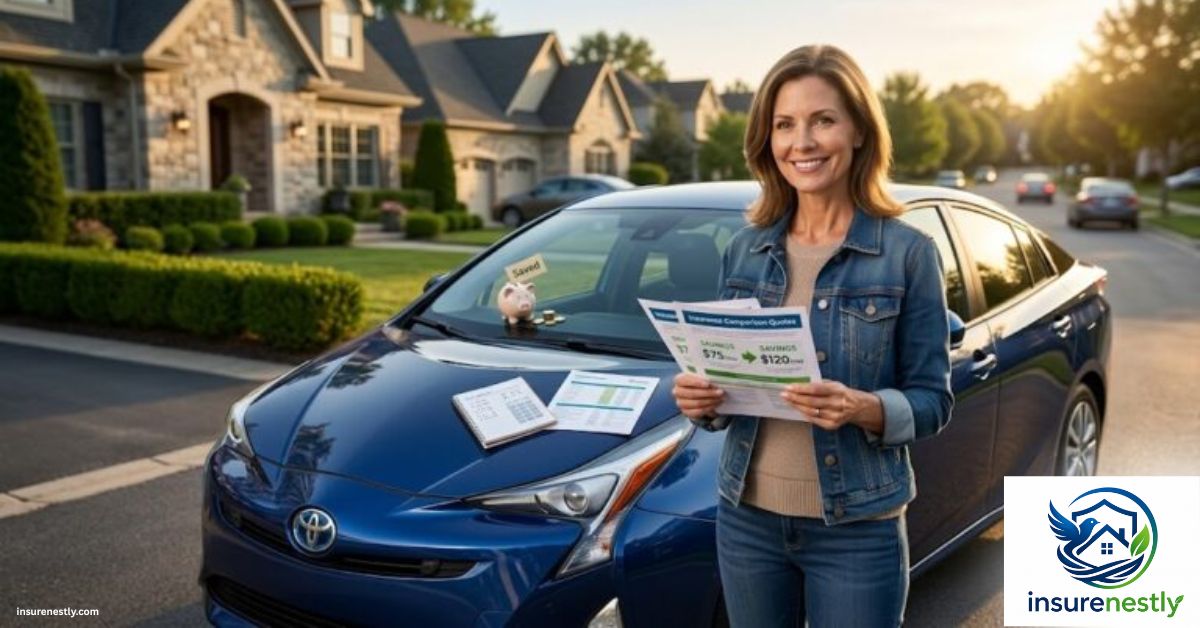
Even after choosing a cheap to insure car, drivers can reduce their insurance costs further by following smart habits and using available discounts. Small changes in behavior and policy choices can make a noticeable difference in monthly premiums.
What strategies may help reduce premiums?
Here are some effective strategies that may help lower your insurance costs:
- Compare multiple insurance quotes
- Maintain clean driving record
- Increase deductibles carefully
- Bundle insurance policies
- Choose vehicles with strong safety ratings
- Avoid unnecessary claims
What Mistakes Should Drivers Avoid?
Many drivers focus only on finding the cheapest cars to insure and later regret their choice. Saving money on insurance is important, but making the wrong decision can lead to higher costs and poor protection in the long run.
Common mistakes when choosing a cheap to insure car
Here are some common mistakes drivers make:
- Focusing only on monthly premium
- Ignoring repair costs
- Choosing high performance trims
- Skipping coverage comparisons
- Underestimating long term ownership expenses
Cheapest vehicle vs best value vehicle
| Cheapest Vehicle Choice | Better Long Term Value |
|---|---|
| Lowest upfront insurance cost | Balanced affordability and safety |
| Basic protection only | Better financial security |
| Higher future repair risk | Lower ownership stress |
It is always better to consider repair costs, safety ratings, and overall reliability instead of just the lowest insurance premium. A slightly more expensive car can actually save you money over time.
Real World Example: How Vehicle Choice Affects Insurance Cost
Consider two drivers with identical profiles — same age, same driving record, same location. Driver A chooses a Dodge Charger and pays approximately $4,947 per year for full coverage. Driver B chooses a Honda CR V and pays approximately $2,270 per year. That is a difference of $2,677 every year — or over $13,385 across five years. This example clearly shows why vehicle selection is one of the most powerful decisions you can make to control your insurance costs.
How Does the Car Insurance Claim Process Work?
The car insurance claim process can vary depending on your insurance company and the details of the accident. Knowing the basic steps can help you file your claim smoothly and avoid unnecessary delays.
Step by step claim process
| Step | Process |
|---|---|
| Report accident | Notify insurer |
| Submit evidence | Photos/documents |
| Claim investigation | Insurer review |
| Damage assessment | Repair estimate |
| Settlement decision | Approval or denial |
Why are some claims delayed or denied?
Here are some common reasons why claims may be delayed or denied:
- Missing documents
- Policy exclusions
- Incorrect information
- Coverage limitations
- Disputed fault
Submitting complete and accurate information as soon as possible can help your claim move faster. Always keep a record of everything you submit to your insurance company.
Disclaimer
This article is intended solely for informational and educational use and does not constitute financial or legal advice. It does not provide personalized insurance, legal, or financial advice.Insurance premiums, coverage options, and costs for different vehicles can vary significantly based on your age, driving record, location, credit score, vehicle type, and other personal factors. The information shared here is based on general research and industry averages. Your actual rates may be different.
We strongly recommend that you consult a licensed insurance agent or contact insurance providers directly to get accurate quotes and advice specific to your situation. Always review the full policy documents carefully before making any purchase.
Conclusion
Choosing the cheapest car to insure can help you save money every month, but it should not be the only factor when buying a vehicle. The right car balances low insurance costs with good safety features, reliable performance, and manageable repair expenses.Take your time, do proper research, and choose a vehicle that gives you both affordability and peace of mind while driving.
References & Sources
- National Association of Insurance Commissioners (NAIC) – Consumer Guide to Auto Insurance
FAQs
What car is least expensive to insure?
The cars that are usually least expensive to insure are small, safe, and low cost to repair. Models like the Honda Civic, Toyota Corolla, Mazda3, and Subaru Outback often have some of the lowest insurance rates. These vehicles have good safety ratings and lower theft rates, which helps keep insurance premiums down.
What would be the cheapest vehicle to insure?
The cheapest vehicles to insure are typically compact sedans and small SUVs with strong safety features. Popular choices include the Honda Civic, Toyota Corolla, and Mazda 3. These cars generally have lower repair costs and good crash test ratings, making them more affordable to insure compared to sports cars or luxury vehicles.
What car is hardest to steal?
Cars with strong anti theft systems and low theft appeal are usually the hardest to steal. Models like the Subaru Outback and Honda CR V tend to have very low theft rates. Features such as advanced immobilizers, tracking systems, and less desirable parts for thieves make these vehicles harder targets for thieves.
What is the most inexpensive but reliable car?
Some of the most inexpensive yet reliable cars to own and insure are the Toyota Corolla, Honda Civic, and Toyota Prius. These vehicles are known for low repair costs, strong safety ratings, high reliability, and reasonable insurance premiums. They are popular choices for budget conscious drivers who want a dependable daily driver without high ownership costs.
What car color gets stolen the least?
There is no strong evidence from major insurance sources directly linking car color to theft rates. Some general reports suggest that less common colors like yellow, gold, and beige may see fewer thefts simply because fewer such vehicles exist on the road. However, insurance companies do not use car color as a direct factor when calculating premiums.
Does car color affect insurance rates?
Car color does not directly affect insurance rates. Insurance companies look at repair costs, safety ratings, theft statistics, and vehicle performance when setting premiums. No major insurer lists car color as a rating factor.

Shumail is an independent insurance researcher and content writer who researches publicly available insurance information and explains coverage, costs, and insurance concepts in simple language. InsureNestly provides educational and informational content only and does not sell insurance or provide insurance advice.