

Last updated: 13-May-2026
Managing insurance for multiple vehicles can be a headache. Multi car and van insurance combines your vehicles under one policy one renewal date, one bill, and in many cases a multi vehicle discount.
Multi Car and Van Insurance Expert Guide by Shumail
Shumail is an independent insurance researcher and founder of Insurenestly. I research publicly available insurance information, policy requirements, coverage options, and insurer guidance to create clear educational content. This article focuses on the main considerations when combining multiple vehicles under one policy, including coverage, discounts, policy management, vehicle eligibility, and business use limitations.
How is multi car and van insurance defined?
Multi car and van insurance is a combined policy that covers more than one vehicle under the same insurance plan. This can include a mix of cars and vans whether they are used for personal or business purposes. All vehicles are insured together with one insurance company.
Why Do People Combine Vehicles Under One Policy?
People may combine eligible vehicles under one policy to simplify policy management and potentially qualify for a multi vehicle discount.
- Potential discount: Some insurers offer a multi vehicle discount when eligible vehicles are insured under the same policy.
- Simpler management: Combining vehicles may make it easier to manage policy documents, payments, and renewal information.
How Does a Combined Policy Work?
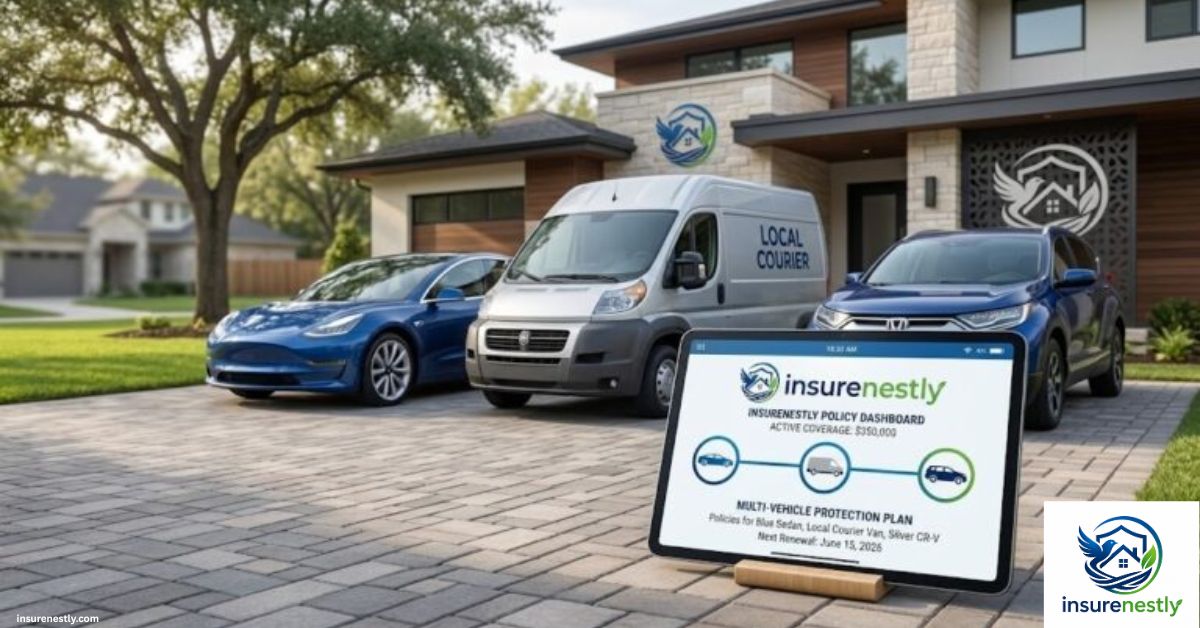
Multi car and van insurance works by putting all your vehicles under one main insurance policy. Instead of having separate policies for each car or van you have a single policy that lists and covers multiple vehicles together.
How are multiple vehicles added under one policy?
- The number of vehicles allowed under one policy varies by insurer, so check the insurer’s rules before combining multiple cars or vans.
What happens during renewal and billing?
All vehicles on a multi car and van insurance policy share the same renewal date. You always receive one bill that covers all vehicles. This makes payment and renewal much simpler and easier to track.
How Much Money Can You Save with Multi Car and Van Insurance?
The amount you can save by combining vehicles on one policy depends on the insurer, drivers, vehicles, coverage limits, location, and other rating factors. Some insurers offer a multi vehicle discount when multiple eligible vehicles are insured under the same policy.
Instead of assuming a fixed dollar amount, compare the premium for each vehicle separately with the premium offered for combining the vehicles under one policy. Make sure the coverage limits, deductibles, and other policy terms are comparable when reviewing the difference.

| Number of Vehicles | Separate Policies (Approx. Yearly) | Multi Car/Van Policy (Approx. Yearly) | Possible Annual Savings |
|---|---|---|---|
| 2 Vehicles | $4,800 – $5,400 | $3,900 – $4,600 | $800 – $1,200 |
| 3 Vehicles | $7,200 – $8,100 | $5,700 – $6,700 | $1,400 – $2,000 |
| 4 Vehicles | $9,600 – $10,800 | $7,400 – $8,600 | $2,000 – $2,800 |
Note: These are approximate national averages. Insurance prices shown in this article are based on publicly available research and may change over time depending on the insurer, location, driver, vehicle, coverage, and other factors.
What Types of Vehicles Can Be Covered?
The types of vehicles you can include in multi car and van insurance depend on the rules of each insurance company. Most insurers allow a mix of personal and light commercial vehicles under one policy but approval is not always guaranteed.
Which private vehicles can be included?
- Family cars
- Personal vehicles
- Multiple household cars
- SUVs and small pickup trucks used for personal use
Can vans and business vehicles be included?
Yes many insurance companies allow vans to be added to a multi car policy. This includes private vans as well as light business vans. However heavy commercial vans or vehicles used mainly for business may need a separate commercial policy. Check with your insurer before assuming a van qualifies.
What Does Multi Car and Van Insurance Typically Cover?
Multi car and van insurance provides the same types of coverage for all vehicles listed on the policy. The level of protection depends on what you choose when buying the policy. Each vehicle can have the same or different coverage options.
What does liability coverage include?
Liability coverage pays for damage or injury you cause to other people and their property in an accident. Liability insurance is required by law in nearly every state. This coverage does not pay for repairs to your own car or van.
What does comprehensive coverage include?
Comprehensive coverage protects your vehicles from non collision events. It typically includes:
- Theft protection
- Fire damage
- Weather related damage
- Vandalism
What is collision and uninsured motorist coverage?
Collision coverage pays to repair or replace your own car or van after an accident even if the accident was your fault. Uninsured motorist coverage protects you if you are hit by a driver who has no insurance or not enough insurance.
What Factors Affect the Cost?
The cost of multi car and van insurance depends on several risk factors. Insurance companies look at the vehicles you want to insure how they are used your driving history and where you live before deciding the final price.
How do vehicle type and usage affect pricing?
- Car vs van risk level
- Personal vs business use
- Vehicle size and model
- Age and value of each vehicle
How do driver history and location impact cost?
Your driving record plays a major role in determining the cost. A clean record with no accidents or claims usually brings lower premiums. Past claims or traffic violations can increase the price. Location also matters because some areas have higher accident rates theft risks or bad weather conditions which can raise the overall cost.
What Are the Benefits?
Can it reduce insurance costs?
Yes, multi car and van insurance can reduce insurance costs when an insurer offers a multi vehicle discount. Any savings depend on the insurer, policy, and other rating factors.
What Are the Limitations?
While multi car and van insurance offers convenience it is not always the best choice for everyone. Combining vehicles under one policy has some limitations that you should understand before deciding.
Why is it not always cheaper?
- Vans may increase the total cost due to higher risk
- There is no guaranteed discount for every driver
- Risk based pricing differences between vehicles can affect savings
- Adding a high risk vehicle can raise premiums for all vehicles
What risks are shared under one policy?
When all vehicles are on one policy a claim involving one vehicle can affect the overall policy, and the premium may increase depending on the insurer’s rating rules and claims history. If one driver makes multiple claims it may cause the premium to increase for all cars and vans listed. Any policy changes or renewals also impact every vehicle together.
Who Should Consider It?
Multi car and van insurance is not suitable for everyone. It works best for people who own or manage more than one vehicle. Understanding your situation helps you decide whether this type of policy is right for you.
Is it suitable for families with multiple cars?
- Households with multiple vehicles
- Families where several members drive regularly
- Shared family usage of cars
- Parents insuring cars for themselves and their children
Is it suitable for small business owners?
- Small business owners who use vans for work
- Companies with mixed vehicle operations
- Businesses that need to insure both cars and vans together
- Owners looking for simpler insurance management
What Should You Do Immediately After an Accident or Incident?
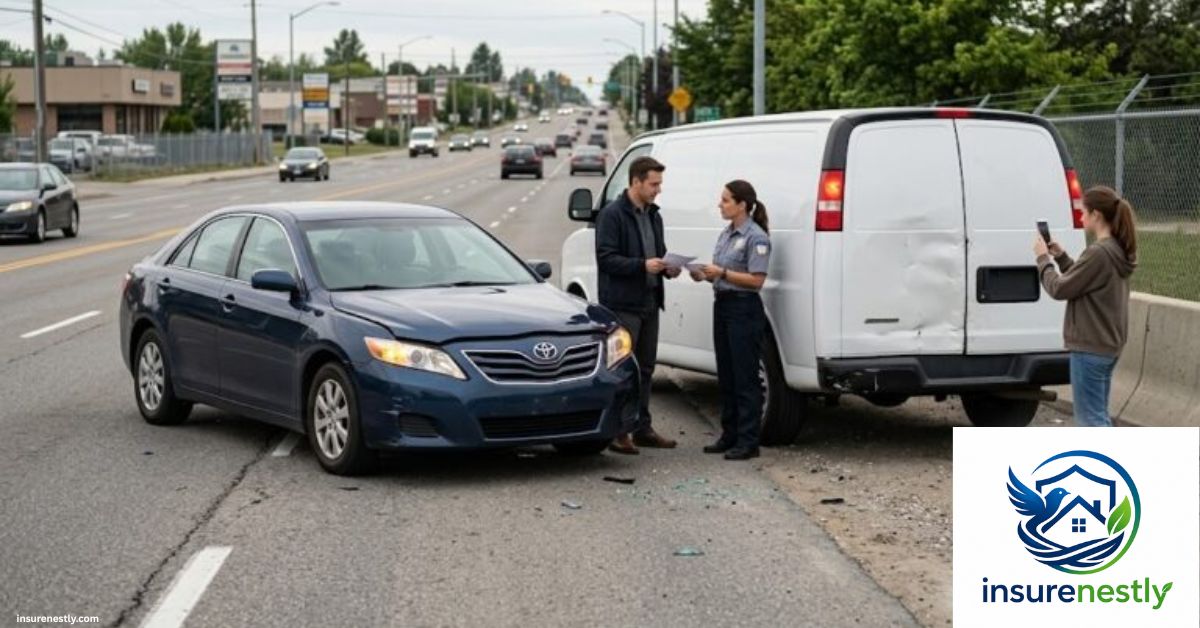
Staying calm and acting quickly after an accident can make a big difference. Your first priority should always be safety. The exact steps can vary depending on your insurer and local laws so it’s good to know the basics and follow what applies in your situation.
How do you ensure safety first?
- Check for injuries
- Move to a safe location if possible
- Call emergency services if needed
- Turn on hazard lights
What evidence should you collect at the scene?
- Photos of damage
- Photos of road conditions
- Other driver details
- Witness contact information
- Police report reference if available
How Do You Start a Multi Car and Van Insurance Claim?
You can usually start a claim online through your insurer’s website by phone on their claims line or via their mobile app. The sooner you report the incident the smoother the process tends to go. Quick reporting helps your insurer act fast and collect fresh details before anything gets missed.
What information is usually required?
- Policy number
- Driver name
- Vehicle involved (car or van)
- Date and time of incident
- Accident description
- Photos or documents
Which vehicle must be identified in a multi vehicle policy?
In a multi car or multi van policy you must clearly point out the specific car or van that was part of the accident. The insurer needs to know exactly which vehicle on your policy was involved. If the policy lists named drivers you may also need to confirm who was driving at the time of the incident.
What Happens After You Submit the Claim?
Once you submit your claim the insurer reviews all the details you provided before moving to the next steps. They check everything carefully to understand what happened and decide how to proceed with your case.
How does claim assessment work?
- Claim reference number issued
- Initial review by claims team
- Liability review if another party involved
- Damage estimate requested
Will an inspection be needed?
Some claims need a proper repair inspection while others can be handled quickly. Minor damage is often assessed through photos you send. In cases of severe damage the insurer may arrange an in person evaluation to check the vehicle properly.
What Should Be Checked Before Choosing?
Before buying multi car and van insurance it is important to compare your options carefully. Choosing the wrong policy can end up costing you more or leaving you with insufficient protection.
How to compare coverage options?
- Compare combined policy versus separate policies
- Check coverage differences between vehicles
- Review exclusions and limitations carefully
- Know exactly what is and is not covered.
What policy details are most important?
- Deductibles for each vehicle
- Claim process and how easy it is
- Coverage limits on liability and comprehensive
- Vehicle restrictions and usage conditions
Conclusion
Combining eligible cars and vans under one policy may simplify policy management and may qualify you for a multi vehicle discount. However, eligibility, coverage options, pricing, and business use requirements vary by insurer. Compare the policy terms and costs before deciding whether a combined policy is appropriate for your vehicles.
Disclaimer
The information provided in this guide on Multi Car and Van Insurance is for general educational and informational purposes only. All cost estimates, savings figures, and coverage details mentioned in this article are approximate and based on industry data and research available as of 2026.
Actual insurance premiums, discounts, and policy terms can vary significantly depending on your location, driving history, vehicle types, usage, and the insurance company you choose. Insurance rules and pricing change frequently.
References & Sources
- Insurance Information Institute (III): Auto Insurance and Multi Vehicle Policy Overview 2026
- National Association of Insurance Commissioners (NAIC): Consumer’s Guide to Auto Insurance 2026
- Bankrate: Multi Car Insurance
Insurance information, discounts, eligibility, and policy terms can change, so readers should confirm current details with the relevant insurer or state insurance department.
FAQs
Can you bundle a personal car with a van used for business?
Sometimes but only for light personal or incidental business use. Vans used mainly for business usually require a separate commercial auto policy, and personal policies often exclude business use. Confirm with your insurer how each van is classified before assuming a bundle will save money.
Which companies offer deals for multi car and van insurance?
Several major insurers in the USA offer multi vehicle discounts, including State Farm, Progressive, GEICO, and Allstate. Contact them directly or check their websites to see current rates and discount options.

Shumail is an independent insurance researcher and content writer who researches publicly available insurance information and explains coverage, costs, and insurance concepts in simple language. InsureNestly provides educational and informational content only and does not sell insurance or provide insurance advice.




2 thoughts on “Multi Car and Van Insurance Complete Guide to Saving Money (2026)”
Pingback: Arkansas Auto Insurance Guide Costs, Coverage & Savings
Pingback: Cheap Car Insurance CT Save Money on Coverage Guide